Understanding yourself
Depression in creative people
“I haven’t painted since the exhibition.”
Creative block is common. When the silence comes with flat mood, poor sleep and dread, it may be depression, and that is treatable.
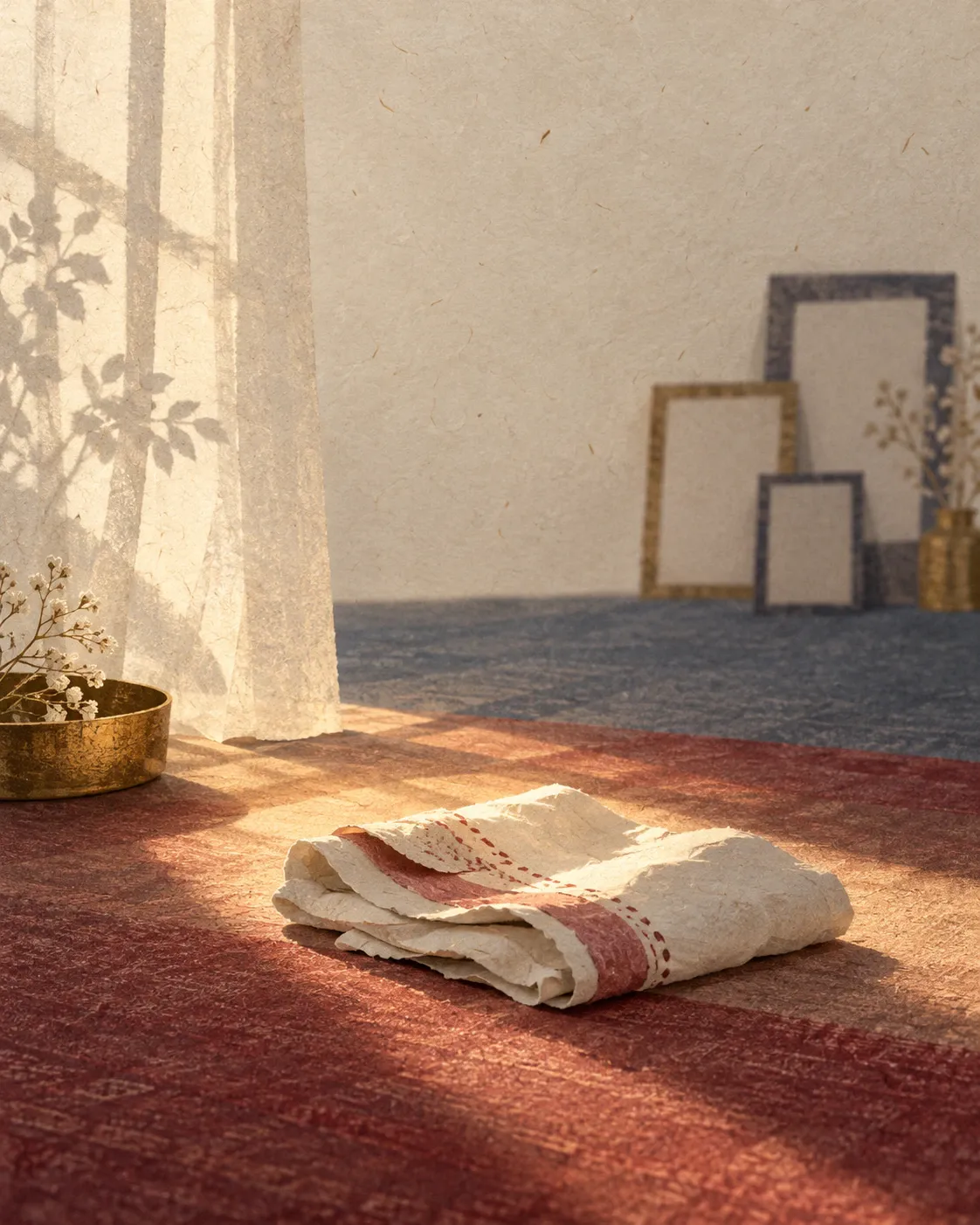
Lamia’s exhibition sold out in Falgun. The gallery in Dhanmondi asked for a second show by winter. Since then the canvases in her Mohammadpur studio have stayed white. She arrives at ten, makes tea, moves the brushes from one jar to another, and leaves at four. The silence in the studio has started to follow her home.
An illustration drawn from common experience. The person is invented; the pattern is not.
Understanding depression in creative people
Every artist, writer, director and designer knows blocks. They pass. When the silence lasts for weeks and comes with low mood, flatness, poor sleep, self-criticism and dread, it may be depression wearing the costume of a creative block. Creative work depends on curiosity and energy, which depression drains. Success can add its own weight: the fear that the next work will not match the last.
How common is depression in creative people?
Depression affected 322 million people in the world in 2023, WHO estimates. It does not respect talent.
Signs and symptoms of depression in creative people
- Weeks without the urge to make anything, together with low or flat mood
- Harsh self-criticism about work you once valued
- Avoiding the studio, the desk or the set
- Sleep, appetite or energy that has changed
Treatment for depression in creative people
Treating the depression can help the work return. Therapy helps with mood, perfectionism and the fear of the next piece, and medication, where it helps, is discussed carefully, including any worry about its effect on creativity. Exercise is part of the plan; a 2024 BMJ review of 218 trials found walking or jogging, yoga and strength training eased depression, though the certainty of the evidence was low.
What getting better can look like
Lamia’s first page might be a sketchbook before a canvas: a few lines in charcoal on a monsoon afternoon, done for no one.
Common questions about depression in creative people
How do I know if it is creative block or depression?
A creative block usually passes. When weeks without the urge to make anything come with low or flat mood, poor sleep, harsh self-criticism and dread, depression is worth considering. A doctor can help tell the two apart.
Will treatment for depression affect my creativity?
It is a common worry, and it deserves an open conversation with your doctor before any decision is made. Depression itself drains the curiosity and energy that creative work depends on, and treating it can help the work return. Therapy and exercise are part of treatment too, and any medicine is chosen individually.
When to see a psychiatrist
If the silence in your work has lasted for weeks and your mood has gone quiet with it, it is worth a conversation.
Care here is personal: built around your history, your health and what you want to change, and reviewed with you as it goes.
If you or someone else is in immediate danger, call 999 or go to the nearest hospital emergency department.
If some of this sounds familiar, a first conversation is a good place to start. You do not need the right words, or to be certain.
Dr. Tajreen is consulting in Uttar Badda now, until 8:00 pm. Call +880 1847-331010Every address and its hours
Sources
- World Health Organization, “Mental disorders” fact sheet, September 2026
- Noetel et al., BMJ, 2024
You do not need to have everything figured out before you begin.