Understanding yourself
Adjustment disorder
“Everyone says I should be used to it by now.”
A move, a loss of work, a diagnosis. Sometimes the change is over and the struggle is not.
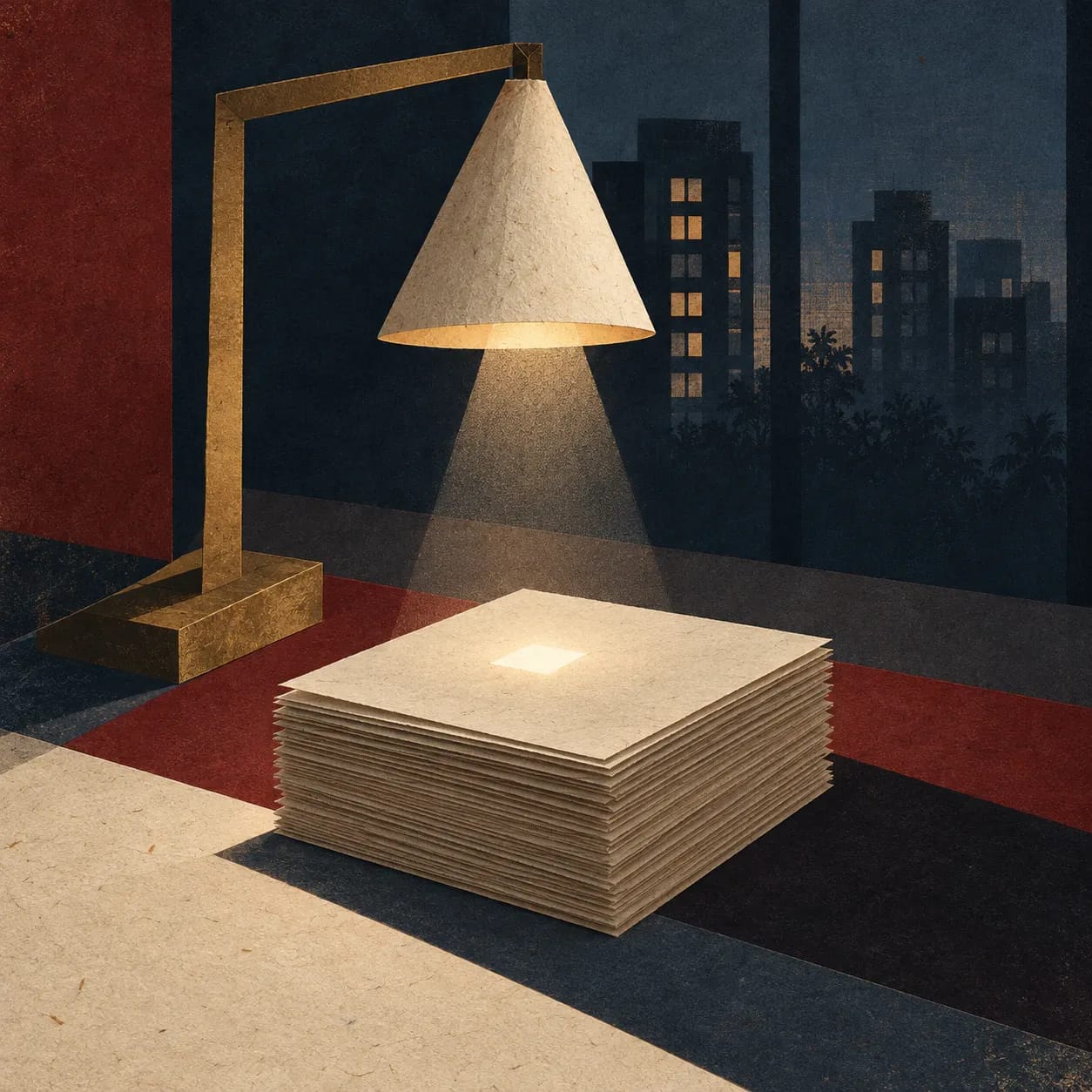
After fifteen years in London, Rokeya and her husband brought the children home to Dhaka. The house in Baridhara is beautiful, her husband’s new role is going well, the children have friends at their school. Six months on, Rokeya still unpacks one box a week. She cries in the afternoons, while the rain drums on the garden, and cannot say why, because nothing is wrong exactly. Everyone tells her she should be used to it by now.
An illustration drawn from common experience. The person is invented; the pattern is not.
Understanding adjustment disorder
Big changes ask a lot, even good ones: a move, a new job or the loss of one, a separation, a diagnosis, retirement. Most people find their footing within a few months. When distress stays out of proportion to the change and starts to interfere with daily life, doctors call it an adjustment disorder. It is common, and with help it usually eases.
Signs and symptoms of adjustment disorder
- Persistent worry, sadness or preoccupation with the change
- Difficulty getting through work, study or home life
- Withdrawing from people, or irritability that is new
- Feeling unable to cope with things you used to manage
Treatment for adjustment disorder
Talking therapy is usually the main treatment: understanding what the change has cost, solving the practical problems that can be solved, and building routines and support around the ones that cannot. A doctor also checks whether depression or anxiety has developed, which may need treatment of its own.
What getting better can look like
Rokeya’s good sign might be the last box, unpacked on an ordinary Tuesday, and a neighbour’s name, and the name of the tea stall at the corner, remembered without trying.
Common questions about adjustment disorder
Why do I feel low after a good change, like moving home?
Big changes ask a lot, even good ones. Most people find their footing within a few months. When distress stays out of proportion to the change and starts to interfere with daily life, doctors call it an adjustment disorder, which is common and usually eases with help.
Is adjustment disorder the same as depression?
No, though the two can overlap. Adjustment disorder is distress tied to a particular change, such as a move, the loss of a job, a separation or a diagnosis, and talking therapy is usually the main treatment. Sometimes depression or anxiety develops alongside it, and a doctor checks for that, because it may need treatment of its own.
When to see a psychiatrist
If a change in your life is over but the struggle is not, there is no need to keep waiting to adjust on your own.
Care here is personal: built around your history, your health and what you want to change, and reviewed with you as it goes.
If you or someone else is in immediate danger, call 999 or go to the nearest hospital emergency department.
If some of this sounds familiar, a first conversation is a good place to start. You do not need the right words, or to be certain.
Dr. Tajreen is consulting in Uttar Badda now, until 8:00 pm. Call +880 1847-331010Every address and its hours
You do not need to have everything figured out before you begin.