Understanding yourself
Burnout
“It’s a busy season at work.”
The season has lasted two years. When achievement leaves no room to recover.
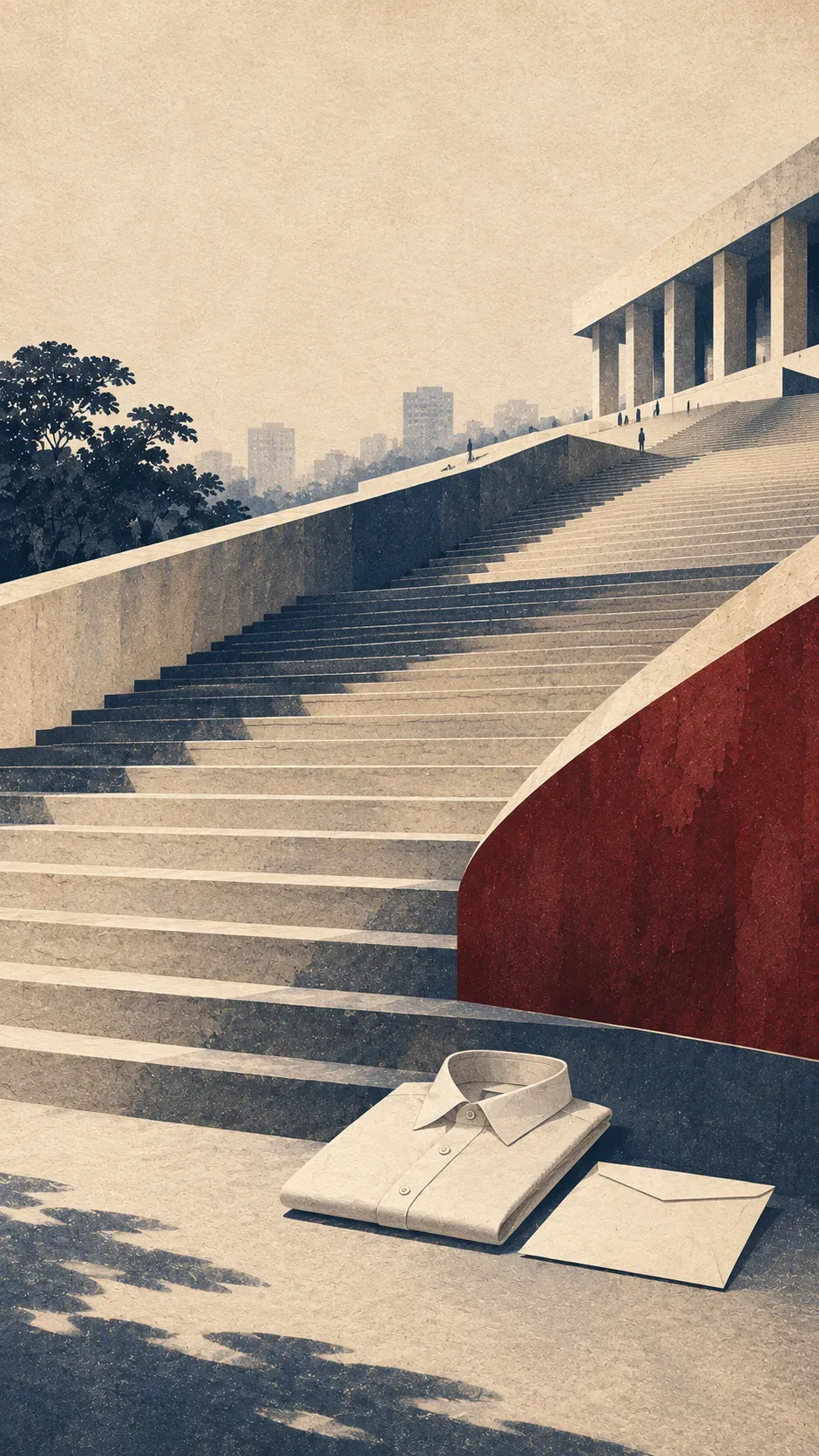
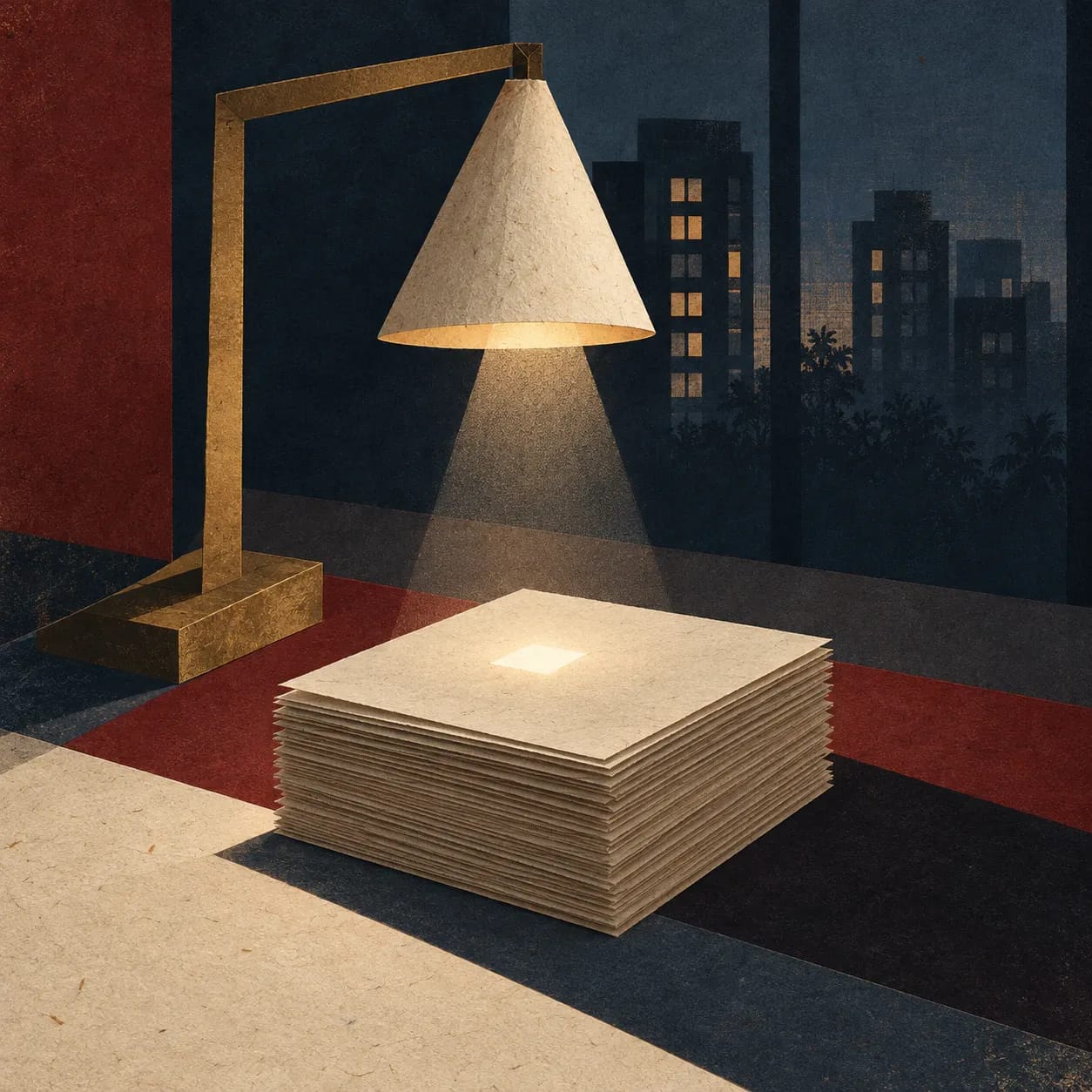
The office in Banani empties at seven. Farhan, who founded the company and still signs every contract, leaves at ten, answers email in the back of the car, and opens the laptop again after his daughter is asleep. The busy season started with an acquisition two years ago. It has not ended, and lately he has started snapping at his driver, which is not like him.
An illustration drawn from common experience. The person is invented; the pattern is not.
Understanding burnout
Long stress without recovery wears people down in a recognisable way: exhaustion that rest does not fix, a growing distance or cynicism about the work, and a sense of achieving less while trying harder. This is often called burnout. WHO classifies burnout as an occupational phenomenon, not a medical condition in itself, but it often sits next to depression and anxiety, which are medical conditions and can be treated.
People with high standards are often the last to notice, because their standards stay high long after their reserves have run low.
Signs and symptoms of burnout
- Feeling drained on most days, even after time off
- Dreading work, or feeling numb or cynical about it
- Irritability with colleagues, staff or family
- Poor sleep, headaches, frequent minor illnesses
- Leaning harder on caffeine, alcohol or sleeping tablets to keep going
Treatment for burnout
The first step is to separate what is stress, what may be depression or anxiety, and what may be physical, such as thyroid problems, high blood pressure or poor sleep from untreated sleep apnoea. Each needs something different.
Psychotherapy can then look at the patterns that keep someone overstretched: the inability to delegate, the fear of disappointing, the belief that rest must be earned. Exercise can help with the depression that often sits alongside burnout; a 2024 BMJ review of 218 trials found it eased depression.
What getting better can look like
Recovery, for Farhan, might start with a boundary that feels too small to matter, such as the laptop left at the office on Thursdays and the evening given to his daughter’s cricket. It matters. The driver notices before Farhan does.
Common questions about burnout
Is burnout a medical diagnosis?
Not in itself. The World Health Organization classifies burnout in ICD-11 as an occupational phenomenon, not as a medical condition. It often sits alongside depression and anxiety, which are medical conditions and can be treated, so an assessment looks for those as well.
Will a long holiday fix burnout?
Rest helps, but one sign of burnout is exhaustion that time off does not fix. If the tiredness returns within days of getting back to work, the pattern that keeps you overstretched usually needs to change too. It is also worth checking whether depression, anxiety, thyroid problems or untreated sleep apnoea are part of the picture.
When to see a psychiatrist
If rest has stopped restoring you, or pressure is changing how you treat the people around you, it is a good time to talk.
Care here is personal: built around your history, your health and what you want to change, and reviewed with you as it goes.
If you or someone else is in immediate danger, call 999 or go to the nearest hospital emergency department.
If some of this sounds familiar, a first conversation is a good place to start. You do not need the right words, or to be certain.
Dr. Tajreen is consulting in Uttar Badda now, until 8:00 pm. Call +880 1847-331010Every address and its hours
Sources
- World Health Organization, ICD-11 (QD85) and statement of 28 May 2019
- Noetel et al., BMJ, 2024
Watch Dr. Tajreen explain

You do not need to have everything figured out before you begin.