

Understanding yourself
Bipolar II disorder and hypomania
“I’m not ill. I’m finally getting things done.”
Spells of high energy and little sleep that feel productive, then long, heavy depressions. Bipolar II is often missed, and it is treatable.
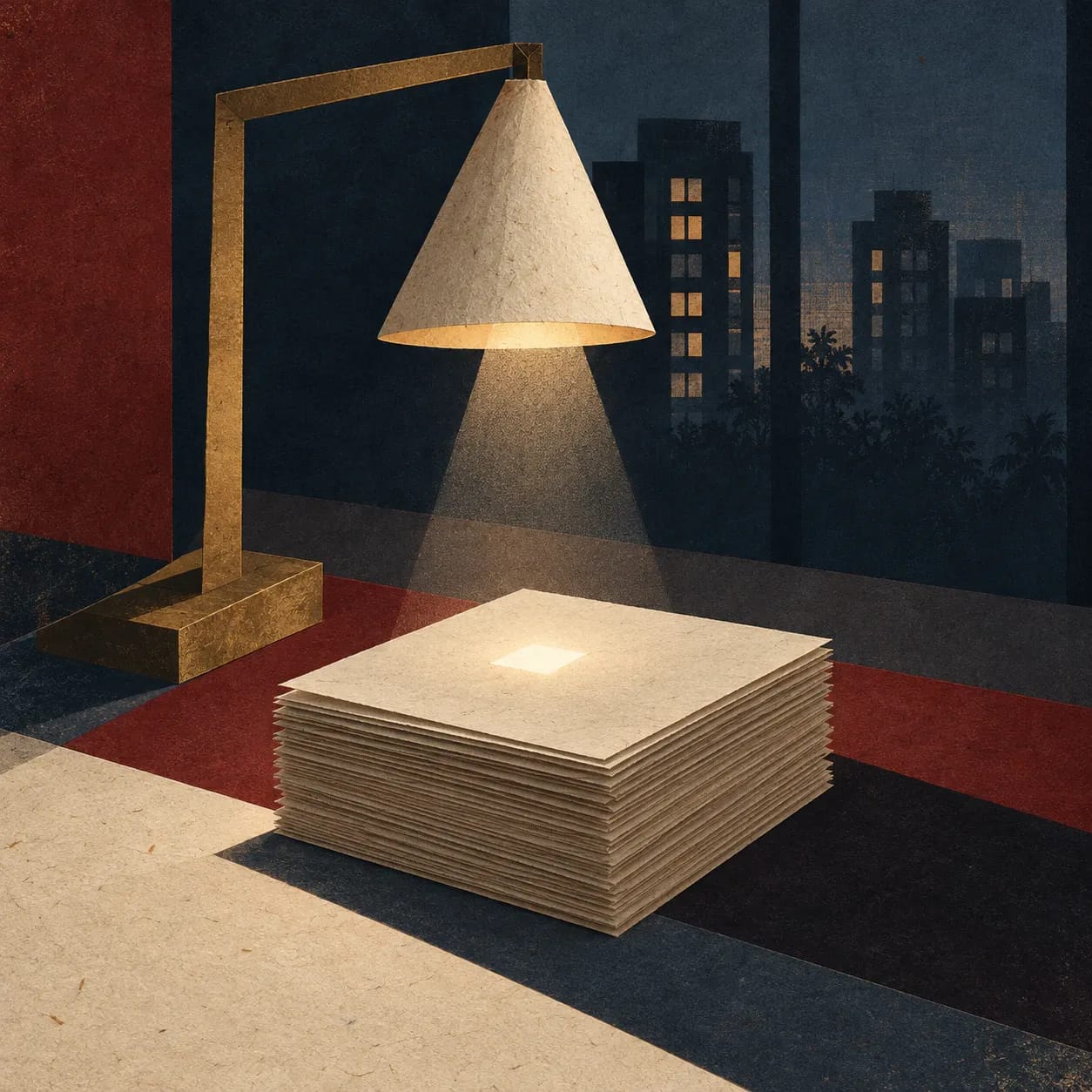
It is 3:12 in the morning in Banani, and Junaid, 33, is on the rooftop of his startup’s office with a new pitch deck and his fourth cup of tea. He sends his co-founder a voice note: “Bhai. New vertical. Cattle-haat logistics for Eid. I’ve already bought three domain names.” He has slept four hours a night for a week and has never felt sharper.
Tuhin replies at nine. “Bro, did you sleep at all? Also, we are a fintech.” His mother calls at lunch. “Baba, khawa-dawa korso? Your voice is going so fast.” Junaid laughs. “I’m not ill, Ammu. I’m finally getting things done.” Two weeks later he cannot get out of bed for the investor call he spent all those nights preparing for.
An illustration drawn from common experience. The person is invented; the pattern is not.
Understanding bipolar II disorder
Bipolar II disorder is a mood disorder with two kinds of episode. Hypomania is a spell of at least four days of raised or irritable mood and energy: less need for sleep, racing ideas, fast speech, big plans, spending or risk-taking, but without the severity of full mania or loss of touch with reality. Depressive episodes are the other half, and they are often longer and harder. Because hypomania can feel like a good spell, and people usually seek help when they are low, bipolar II can be treated as ordinary depression unless someone asks about the highs.
How common is bipolar II disorder?
In a World Health Organization survey of 61,392 adults in 11 countries, 0.4% had bipolar II disorder at some point in life, and 2.4% had a condition on the bipolar spectrum. Fewer than half of those on the spectrum had received mental health treatment, and in low-income countries only 25.2% had been in contact with mental health services.
Signs and symptoms of bipolar II disorder
- Several days of needing far less sleep without feeling tired
- Talking faster, starting many projects, ideas that jump ahead
- Spending, investing or making promises that later feel unlike you
- Others noticing a change, even when you feel fine
- Low periods afterwards that last weeks or longer
Treatment for bipolar II disorder
UK national guidelines, which apply to bipolar I and bipolar II, recommend lithium as the first-line long-term treatment, and specific medicines for bipolar depression, such as quetiapine, chosen with the person. They also recommend a structured psychological therapy designed for bipolar disorder, which teaches mood self-monitoring, early warning signs and a plan for staying well. A psychiatrist asks about sleep, family history, alcohol, caffeine and other substances, checks physical health including the thyroid, and reviews any antidepressant already being taken.
What getting better can look like
Junaid might keep a mood chart on his phone, a rule that no big decision is made after midnight, and a co-founder who knows what to look for. The ideas can still be good. They can wait until morning.
Common questions about bipolar II disorder
What is the difference between bipolar I and bipolar II?
Bipolar I involves at least one episode of full mania, which is severe, may include psychosis, and often needs urgent care. Bipolar II involves hypomania, a milder high, together with episodes of depression. Bipolar II is not simply a mild form; its depressions can be long and disabling.
Can hypomania feel good?
Yes. Many people feel energetic, confident and productive during hypomania, which is one reason it goes unreported. The problems often come from decisions made during it and from the depression that may follow. A doctor will usually ask family or close friends what they noticed.
When to see a psychiatrist
If spells of high energy and little sleep keep being followed by deep lows, ask for an assessment, and mention the highs. If you are thinking about suicide, or someone is acting in ways that put them at risk, call 999.
Care here is personal: built around your history, your health and what you want to change, and reviewed with you as it goes.
If some of this sounds familiar, a first conversation is a good place to start. You do not need the right words, or to be certain.
Dr. Tajreen is consulting in Uttar Badda now, until 8:00 pm. Call +880 1847-331010Every address and its hours
Sources
- Merikangas et al., Archives of General Psychiatry, 2011 (PMID 21383262)
- NICE guideline CG185, Bipolar disorder: assessment and management (last reviewed 2 September 2025)
You do not need to have everything figured out before you begin.