Understanding yourself
Grief and prolonged grief
“I still set out his cup.”
For most people grief softens with time. For some it stays stuck, and help is there.
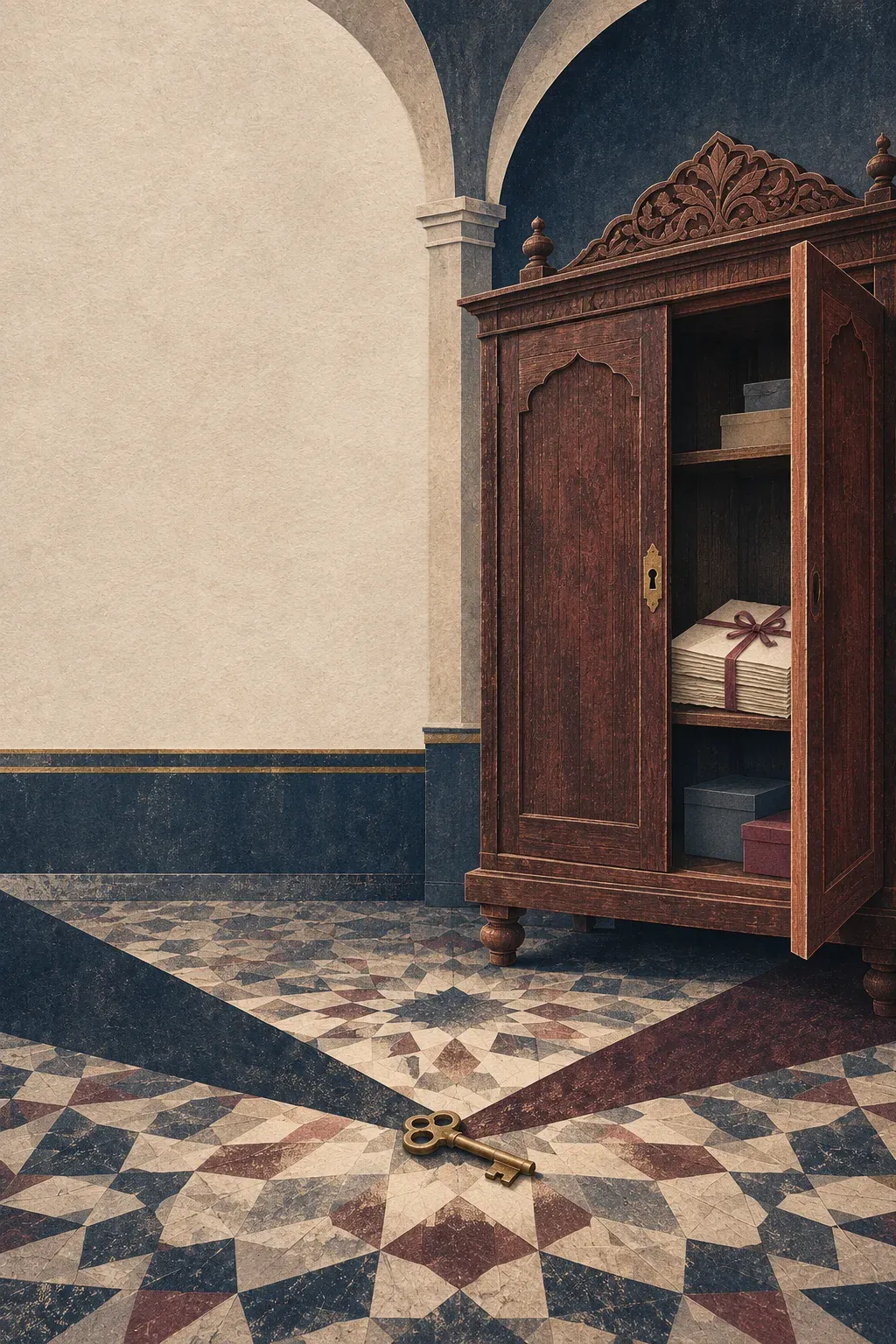
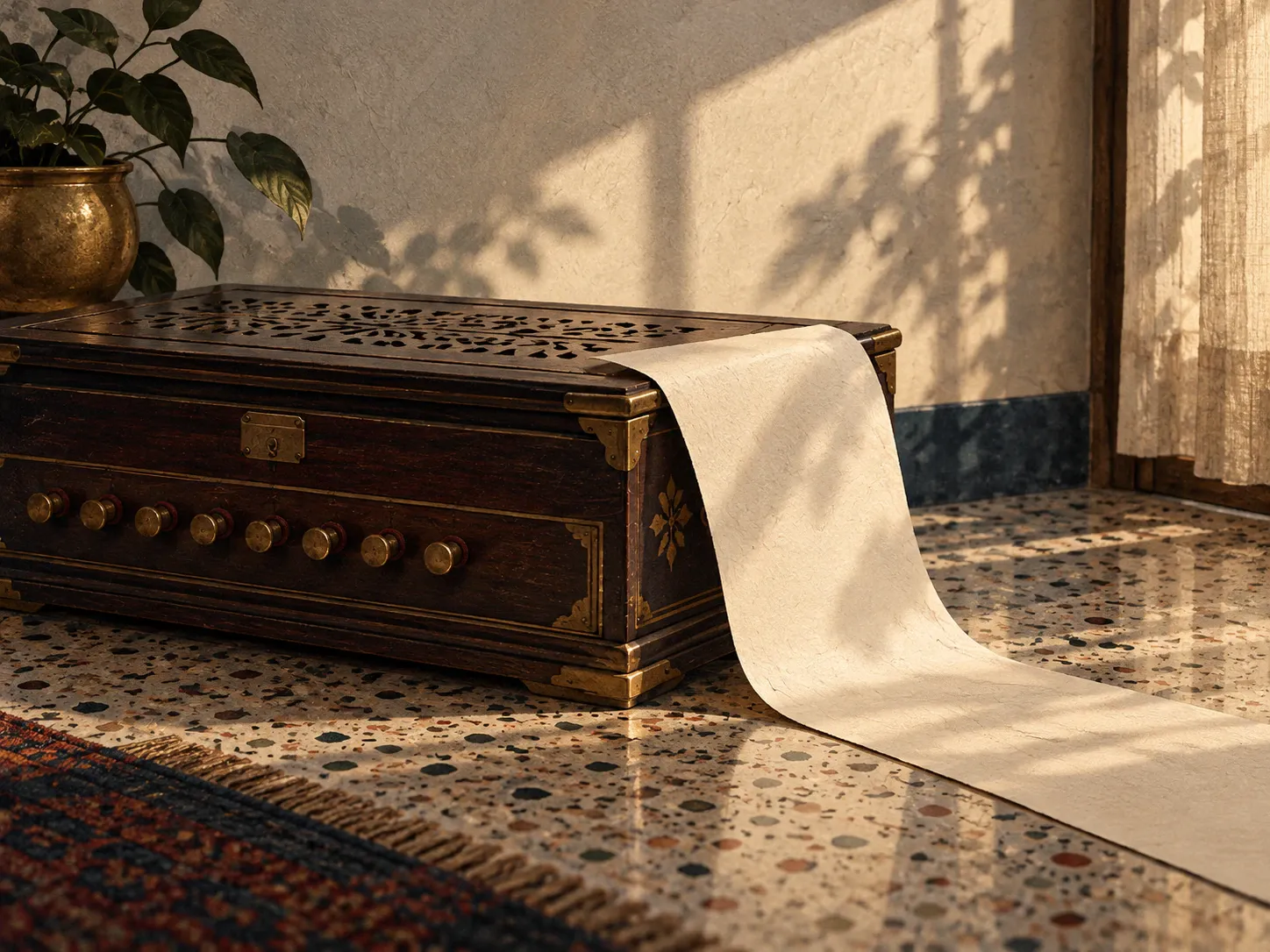
Hasina’s husband was a singer; for forty years his Nazrul Geeti filled their house in Dhanmondi. Two years after he died, she still sets out his cup at breakfast and puts it back unused. His harmonium sits closed in the drawing room. Her children want her to come and live with them in Uttara. She cannot leave the house; it is the last place he sang.
An illustration drawn from common experience. The person is invented; the pattern is not.
Understanding prolonged grief
Grief is a normal response to loss, and there is no correct way or time to grieve. Waves of sadness, yearning, guilt and even anger are part of it, and for most people the waves come further apart with time. Sometimes grief stays heavy and pervasive for more than six months, and longer than the person’s culture would expect, with constant longing, inability to accept the death, and life feeling meaningless. This is now recognised as prolonged grief disorder, in WHO’s ICD-11.
How common is prolonged grief?
A meta-analysis published in 2017 found that about one in ten adults bereaved by a natural death is at risk of prolonged grief disorder.
Signs and symptoms of prolonged grief
- Intense longing or preoccupation with the person that has not eased after many months
- Great difficulty accepting the death
- Feeling that part of yourself has died, or that life has no meaning
- Avoiding reminders, or not being able to do anything but focus on them
Treatment for prolonged grief
Most grief needs company, not treatment. When grief is stuck, structured grief-focused therapy can help people accept the loss and slowly rebuild a life that holds the person’s memory. A doctor also checks for depression, which can grow alongside grief and needs its own care.
What getting better can look like
Healing will not mean forgetting. For Hasina, it might mean one morning she drinks from his cup herself, and one evening, with a granddaughter beside her, opens the harmonium.
Common questions about prolonged grief
How long is grief supposed to last?
There is no correct way or time to grieve, and for most people the waves of sadness come further apart with time. When grief stays heavy and pervasive for more than six months, and longer than the person’s culture would expect, it may be prolonged grief disorder, which WHO’s ICD-11 now recognises. A meta-analysis in 2017 found about one in ten adults bereaved by a natural death at risk of it.
Does grief need treatment?
Most grief needs company, not treatment. When grief is stuck, structured grief-focused therapy can help a person accept the loss and slowly rebuild a life that holds the memory of the one who died. A doctor also checks for depression, which can grow alongside grief and needs its own care.
When to see a psychiatrist
If grief has not softened at all after many months, or you feel unable to go on, please talk to someone. If you have thoughts of ending your life, seek help today, or call 999 in an emergency.
Care here is personal: built around your history, your health and what you want to change, and reviewed with you as it goes.
If some of this sounds familiar, a first conversation is a good place to start. You do not need the right words, or to be certain.
Dr. Tajreen is consulting in Uttar Badda now, until 8:00 pm. Call +880 1847-331010Every address and its hours
Sources
- Lundorff et al., Journal of Affective Disorders, 2017 (PMID 28167398)
- World Health Organization, ICD-11
You do not need to have everything figured out before you begin.