Understanding yourself
Personality disorder
“People always leave me in the end.”
Intense emotions, stormy relationships, and the fear of being left. Specific therapies reduce symptoms.
Tuli is one of the most photographed actresses of her generation, and her friends call her intense. She loves completely and then, over a missed call, feels certain she is being abandoned. The anger comes fast and the shame comes faster. She has cut her arm, sometimes, to make the feeling stop. Every relationship ends the same way, and she has started to believe that is simply who she is.
An illustration drawn from common experience. The person is invented; the pattern is not.
Understanding personality disorder
Personality disorders are long-standing patterns of thinking, feeling and relating to others that cause real suffering and repeated difficulties. The best known is borderline personality disorder, recorded in ICD-11 as personality disorder with a borderline pattern (ICD-10 called it emotionally unstable personality disorder): intense and rapidly changing emotions, fear of abandonment, unstable relationships and self-image, impulsive behaviour, and sometimes self-harm. Many people with these patterns have lived through difficult or unsafe childhoods. The label describes a pattern of difficulties, not a person’s worth.
Signs and symptoms of personality disorder
- Emotions that swing quickly and feel overwhelming
- Intense fear of being left, and relationships that swing between closeness and conflict
- Acting on impulse in ways that cause harm, including self-harm
- A shifting or uncertain sense of who you are
Treatment for personality disorder
Psychotherapy is the main treatment. A 2020 Cochrane review of randomised trials found moderate-quality evidence that psychotherapy reduces the severity of borderline personality disorder, with dialectical behaviour therapy the most studied. These therapies teach skills for riding out intense emotion, handling relationships and staying safe. Medication can help with associated depression or anxiety.
What getting better can look like
For someone like Tuli, progress might be a missed call that stays a missed call, an evening of feeling the storm without acting on it, and a friendship that lasts through a disagreement.
Common questions about personality disorder
What is borderline personality disorder?
Borderline personality disorder, recorded in ICD-11 as personality disorder with a borderline pattern, is a long-standing pattern of intense and rapidly changing emotions, fear of abandonment, unstable relationships and self-image, and impulsive behaviour, sometimes including self-harm. The label describes a pattern of difficulties, not a person’s worth.
Can borderline personality disorder be treated?
Yes. A 2020 Cochrane review of randomised trials found moderate-quality evidence that psychotherapy reduces the severity of borderline personality disorder, with dialectical behaviour therapy the most studied. These therapies teach skills for riding out intense emotion, handling relationships and staying safe.
When to see a psychiatrist
If intense emotions and stormy relationships have been a pattern for years, specific help exists. If you are harming yourself or thinking of suicide, please seek help today, or call 999 in an emergency.
Care here is personal: built around your history, your health and what you want to change, and reviewed with you as it goes.
If some of this sounds familiar, a first conversation is a good place to start. You do not need the right words, or to be certain.
Dr. Tajreen is consulting in Uttar Badda now, until 8:00 pm. Call +880 1847-331010Every address and its hours
Sources
- Storebø et al., Cochrane Database of Systematic Reviews, 2020
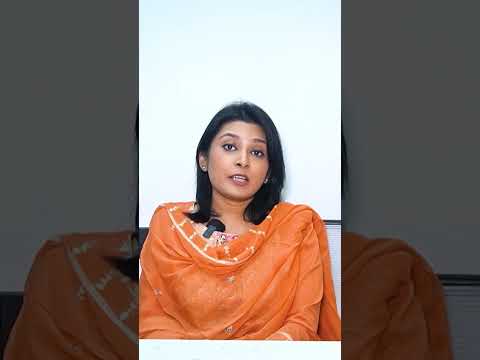
Watch Dr. Tajreen explain

You do not need to have everything figured out before you begin.