Understanding yourself
Relationship difficulties
“We always have the same argument.”
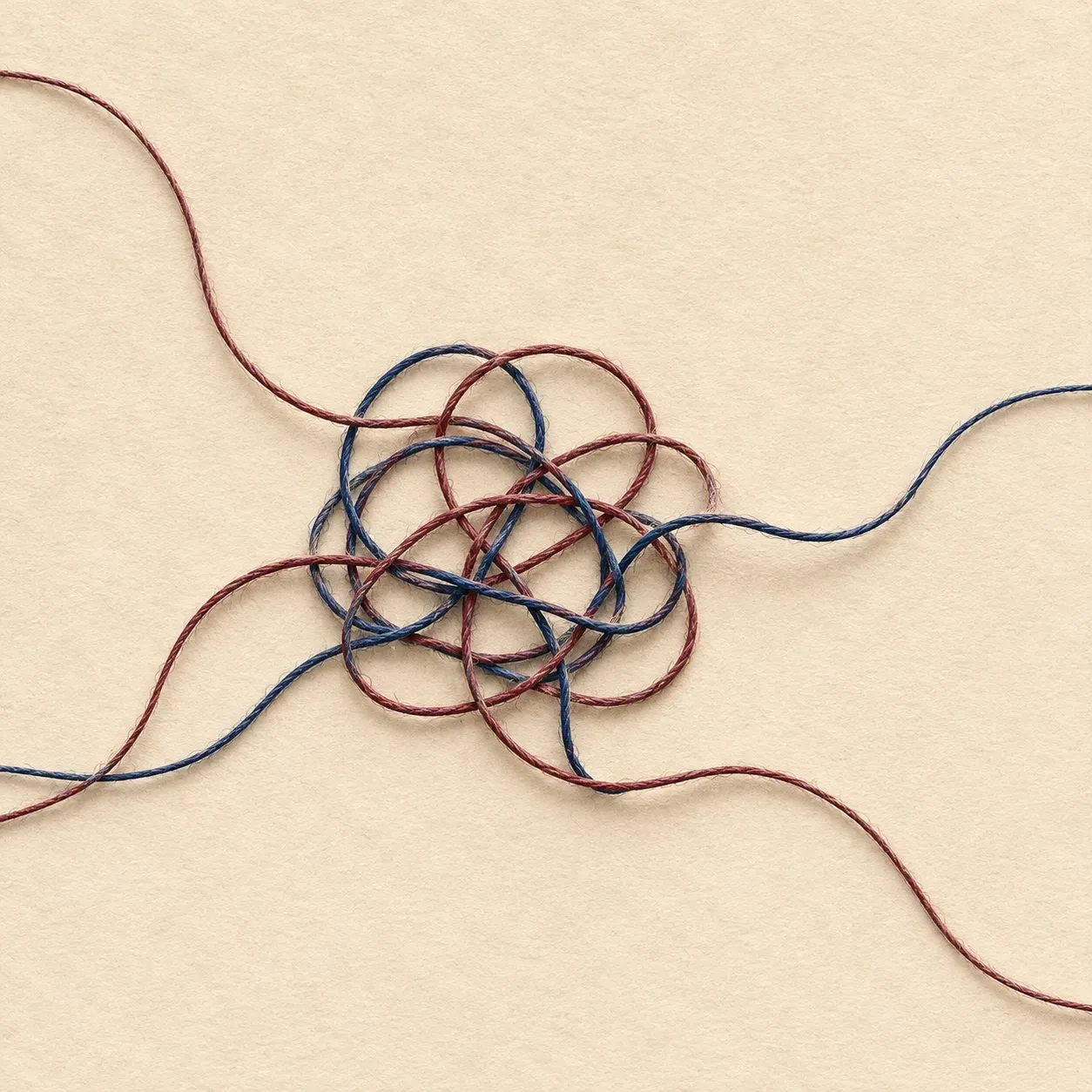
Different people, different years, and somehow the same place again.
They designed half the new houses in Dhanmondi together, and they cannot agree on anything at home. It starts with the load-shedding, or his mother’s visit at Eid, or who forgot to call the generator man. Within ten minutes Shahana and Kamal are having the argument they always have, word for word, and by the time the power comes back the flat is silent in two rooms.
An illustration drawn from common experience. The people are invented; the pattern is not.
Understanding relationship difficulties
Repeated arguments are usually about something beneath the stated subject: feeling unheard, unvalued or unsafe. Patterns learned in childhood, stress at work, illness, money and the arrival of a child all change how people respond to each other. Sometimes one partner’s anxiety, low mood or past trauma is part of the picture. When the same pattern appears across different relationships over the years, it can help to look at it alone as well as together.
Signs worth noticing
- Arguments that escalate quickly or end in long silences
- Subjects that feel impossible to raise
- Living more like housemates than partners
- Children affected by tension at home
- The same pattern repeating with different people over the years
How care helps
Therapy gives a calm room in which to slow the pattern down and see it. Dr. Tajreen works with individuals, couples and families, and the first consultation helps decide which suits the situation. Where one partner is struggling with their own mental health, that is assessed and treated alongside.
What getting better can look like
For a couple like Shahana and Kamal, the change may be that the argument about the generator stays about the generator, and ends before the power comes back.
Common questions about relationship difficulties
Should couples see a therapist together or separately?
It depends on the pattern. When the same argument keeps repeating between two people, sessions together can slow it down so both can see it. When a similar pattern has appeared across different relationships over the years, or one partner is struggling with anxiety, low mood or past trauma, individual work can help as well, and a first consultation helps decide which suits.
Is therapy worth it if my partner refuses to come?
It can still help. Individual sessions can look at your side of the pattern, what you learned about conflict growing up, and any stress or low mood of your own. If anyone at home is at risk of harm, safety comes first: call 999.
When to see a psychiatrist
If home has come to feel tense most of the time, help is available. If anyone at home is at risk of harm, call 999.
Care here is personal: built around your history, your health and what you want to change, and reviewed with you as it goes.
If some of this sounds familiar, a first conversation is a good place to start. You do not need the right words, or to be certain.
Dr. Tajreen is consulting in Uttar Badda now, until 8:00 pm. Call +880 1847-331010Every address and its hours
You do not need to have everything figured out before you begin.