Understanding yourself
Online betting and gambling
“One more match and I’ll win it all back.”
Betting apps turn every cricket match into a stake. Gambling disorder is a recognised condition, and it is treatable.
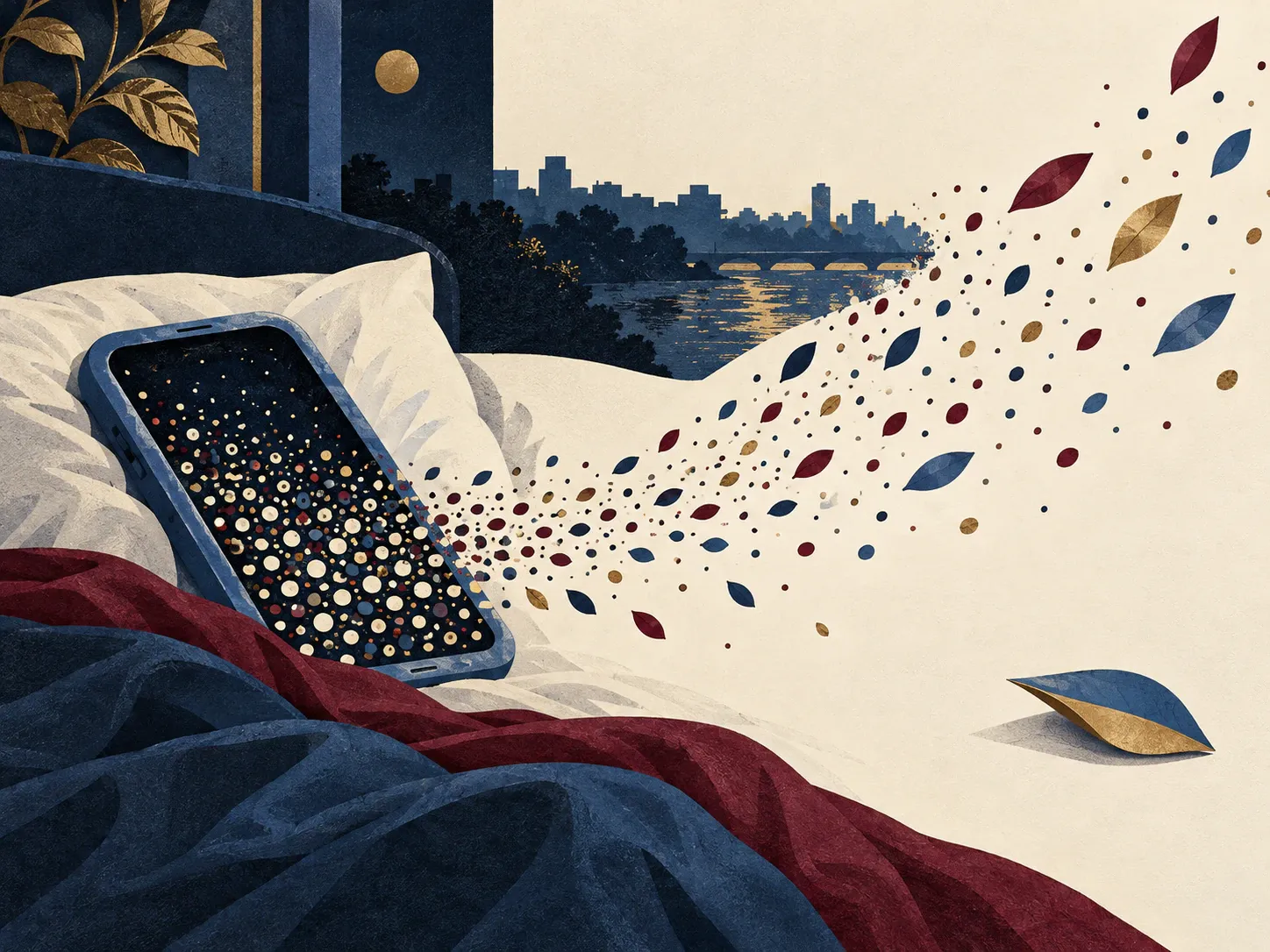
It started during the World Cup. Sakib, twenty, put in five hundred taka on a betting app “just for the vibes” and won. Then he lost, and bet more to win it back. Now he bets on matches in leagues he has never watched, at three in the morning. He has taken money from his mother’s purse and told her it was for a course. “I’m lowkey cooked,” he wrote to a friend, and deleted it.
An illustration drawn from common experience. The person is invented; the pattern is not.
Understanding gambling disorder
Gambling disorder is persistent, hard-to-control gambling that continues despite harm. Betting apps, available all day on a phone, make it fast and private; chasing losses, betting more to win back what was lost, is the central trap. It often comes with secrecy, debt, borrowing or stealing, depression and anxiety, and in some cases suicidal thoughts. It is recognised as a disorder in WHO’s ICD-11.
Signs and symptoms of gambling disorder
- Betting more, or more often, to feel the same excitement
- Chasing losses
- Lying about betting, borrowing or taking money
- Restlessness or irritability when trying to stop
Treatment for gambling disorder
Treatment often combines cognitive behavioural therapy, which tackles the thinking that keeps gambling going, with practical steps: blocking apps, handing over financial control for a while, and involving family. Depression, anxiety and any thoughts of self-harm are treated alongside.
What getting better can look like
Sakib might watch the next match with friends, for the cricket, with no betting apps on his phone.
Common questions about gambling disorder
Is addiction to online betting apps a real illness?
Yes. Gambling disorder is recognised in WHO’s ICD-11 as persistent, hard-to-control gambling that continues despite harm. Betting apps make it fast, private and available all day. It is treatable, usually with cognitive behavioural therapy and practical steps such as blocking the apps.
How can I help a family member who keeps chasing gambling losses?
Chasing losses, betting more to win back what was lost, is the central trap of gambling disorder, so more money rarely solves it. Practical steps that help include blocking betting apps, handing over financial control for a while, and involving the family in treatment. If debt or shame has brought talk of self-harm, seek help the same day.
When to see a psychiatrist
If betting has become secret, or you are chasing losses, help works best early. If debt or shame has brought thoughts of self-harm, please seek help today.
Care here is personal: built around your history, your health and what you want to change, and reviewed with you as it goes.
If you or someone else is in immediate danger, call 999 or go to the nearest hospital emergency department.
If some of this sounds familiar, a first conversation is a good place to start. You do not need the right words, or to be certain.
Dr. Tajreen is consulting in Uttar Badda now, until 8:00 pm. Call +880 1847-331010Every address and its hours
Sources
- World Health Organization, ICD-11
You do not need to have everything figured out before you begin.