Understanding yourself
Gaming and phone overuse
“I’ll stop after this match. It’s 4am.”
Gaming disorder is a WHO diagnosis. When games or scrolling take over sleep, study and life, help can reset the balance.
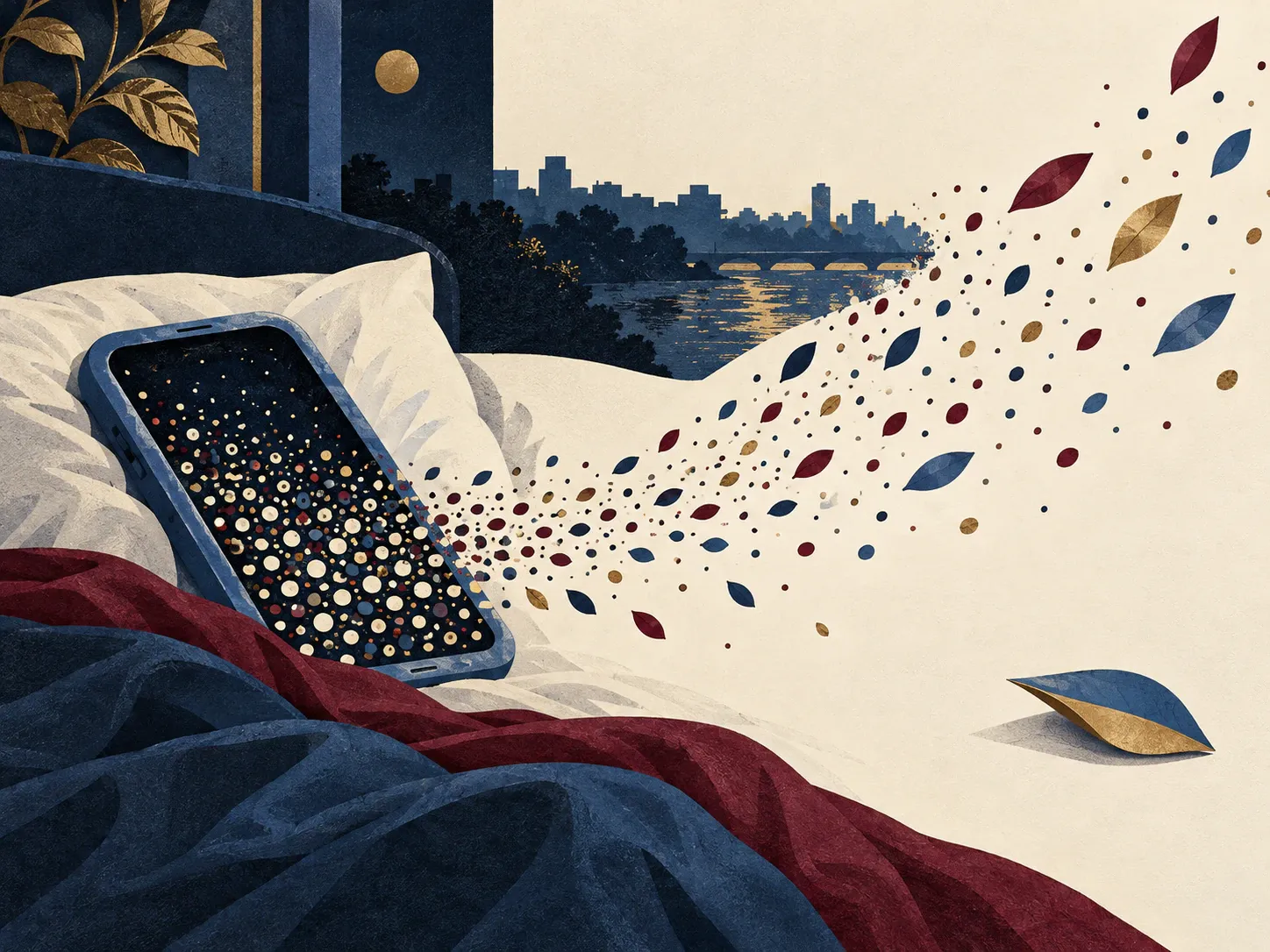
Arnob, nineteen, has a first-year place at a private university and has been to six classes this semester. He plays until dawn, sleeps until three, eats in his room. When his father switched off the Wi-Fi, Arnob smashed the router. “It’s literally the only thing that’s not mid,” he says.
An illustration drawn from common experience. The person is invented; the pattern is not.
Understanding problem gaming
For most people, games and phones are ordinary pleasures. Gaming disorder, recognised in WHO’s ICD-11, describes impaired control over gaming, giving it priority over other interests and daily life, and continuing despite clear harm, usually for a year or more. Endless scrolling can follow a similar pattern. Underneath there is often anxiety, depression, ADHD, loneliness or a sense of failure that the game temporarily switches off.
How common is problem gaming?
A WHO study of nearly 280,000 young people in Europe, central Asia and Canada, published in 2024, found that 12% of adolescents aged 11, 13 and 15 were at risk of problematic gaming. Bangladesh was not among the countries studied.
Signs and symptoms of problem gaming
- Gaming or scrolling through the night, sleeping through the day
- Falling behind in study or work
- Anger or distress when unable to play
- Losing interest in friends, food and other activities
Treatment for problem gaming
Assessment looks for depression, anxiety, ADHD and sleep problems, which often drive the pattern. Cognitive behavioural therapy and family work help rebuild control: agreed limits, restored sleep, and a life with enough in it that the game is no longer the only reward.
What getting better can look like
Arnob’s year might turn on a morning class attended, a game played on a Friday night with friends, and a router that survives the semester.
Common questions about problem gaming
Is gaming disorder an official diagnosis?
Yes. WHO’s ICD-11 includes gaming disorder: impaired control over gaming, giving it priority over other interests and daily life, and continuing despite clear harm, usually for a year or more. Enjoying games, even playing a lot, is not on its own a disorder.
Should parents switch off the Wi-Fi to stop a child gaming all night?
A sudden ban can turn into a battle, and it does not touch what often lies underneath: anxiety, depression, ADHD, loneliness or a sense of failure. Care looks for those first, then works with the family on agreed limits, restored sleep and a life with other rewards in it.
When to see a psychiatrist
If gaming or phone use is taking over sleep, study or relationships, help can restore the balance without banning everything.
Care here is personal: built around your history, your health and what you want to change, and reviewed with you as it goes.
If you or someone else is in immediate danger, call 999 or go to the nearest hospital emergency department.
If some of this sounds familiar, a first conversation is a good place to start. You do not need the right words, or to be certain.
Dr. Tajreen is consulting in Uttar Badda now, until 8:00 pm. Call +880 1847-331010Every address and its hours
Sources
- World Health Organization, ICD-11
- WHO Europe, HBSC study, September 2024
You do not need to have everything figured out before you begin.