Understanding yourself
Social media and mental health
“I’m on my phone till 3am. It’s giving burnout.”
Problematic social media use is rising among young people aged 11 to 15 in Europe, central Asia and Canada. Sleep, mood and self-worth can be won back.
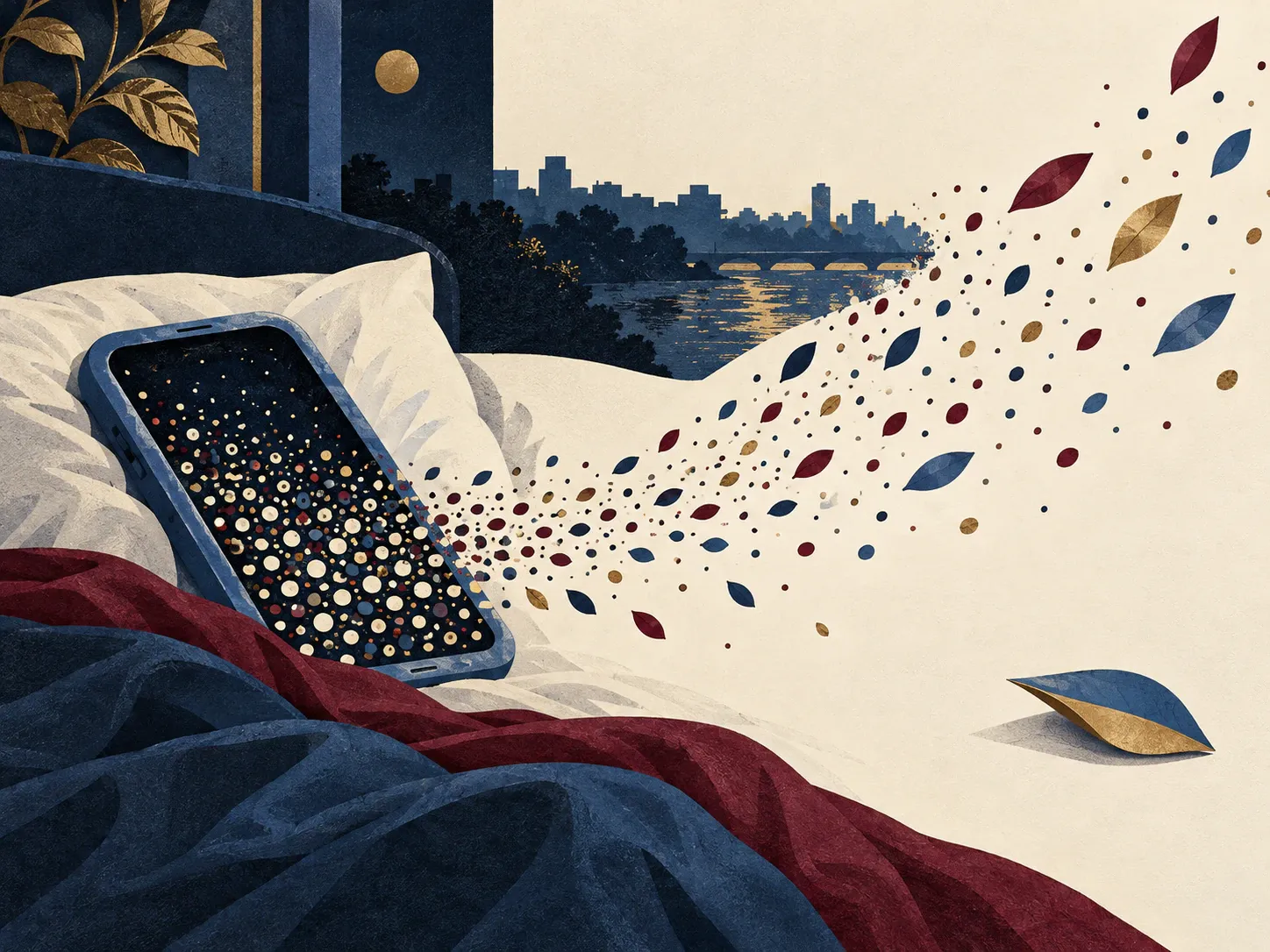
Aisha, fifteen, opens her phone before her eyes and closes it after midnight, three hours of reels on a school night. She checks how many people viewed her story, deletes posts that do not get enough likes, and feels left out of every group photo she was not in. “It’s fine,” she tells her mother. It is not fine. She has stopped eating breakfast and cries before school.
An illustration drawn from common experience. The person is invented; the pattern is not.
Understanding social media
Social media is part of growing up now, with real benefits: connection, creativity, information. Problematic use is different: losing control over time spent, feeling anxious without the phone, and letting it crowd out sleep, study and real-world friendships. Constant comparison, cyberbullying and the chase for likes can feed anxiety, low self-esteem, poor sleep and depression.
How common it is
A WHO study of nearly 280,000 young people aged 11, 13 and 15 in Europe, central Asia and Canada found that problematic social media use among adolescents rose from 7% in 2018 to 11% in 2022, and was higher in girls than boys.
Signs worth noticing
- Using the phone late into the night, every night
- Mood that rises and falls with likes and comments
- Anxiety or anger when separated from the phone
- Dropping sleep, study, food or offline friends
How care helps
Assessment looks for anxiety, depression, eating or body-image problems, and bullying. Therapy helps young people build a healthier relationship with their phone rather than banning it, and family work agrees realistic rules, such as phones out of bedrooms at night, that parents follow too.
What getting better can look like
Aisha’s week might include the phone charging in the living room at ten, a real breakfast, and a weekend with friends that nobody filmed.
Common questions about social media
Can social media cause depression in teenagers?
Social media has real benefits, and it is not harmful for everyone. But constant comparison, cyberbullying and the chase for likes can feed anxiety, low self-esteem, poor sleep and depression. A WHO study of young people in Europe, central Asia and Canada found problematic use rose from 7% in 2018 to 11% in 2022.
How do I know if my teenager’s phone use is a problem?
A useful test is what the phone crowds out. Losing control over time spent, anxiety or anger without the phone, and dropping sleep, study, food or offline friends are signs worth noticing. Simple family rules, such as phones out of bedrooms at night that parents follow too, are a practical start.
When to see a psychiatrist
If a young person’s phone use is affecting their sleep, mood or self-worth, help is available, for them and for the family.
Care here is personal: built around your history, your health and what you want to change, and reviewed with you as it goes.
If you or someone else is in immediate danger, call 999 or go to the nearest hospital emergency department.
If some of this sounds familiar, a first conversation is a good place to start. You do not need the right words, or to be certain.
Dr. Tajreen is consulting in Uttar Badda now, until 8:00 pm. Call +880 1847-331010Every address and its hours
Sources
- WHO Europe, HBSC study, September 2024
Watch Dr. Tajreen explain

You do not need to have everything figured out before you begin.