Understanding yourself
Retirement and identity
“For thirty-four years I knew who I was on Monday.”
Retirement is a gift that can feel like a loss. Purpose, routine and mood can be rebuilt.
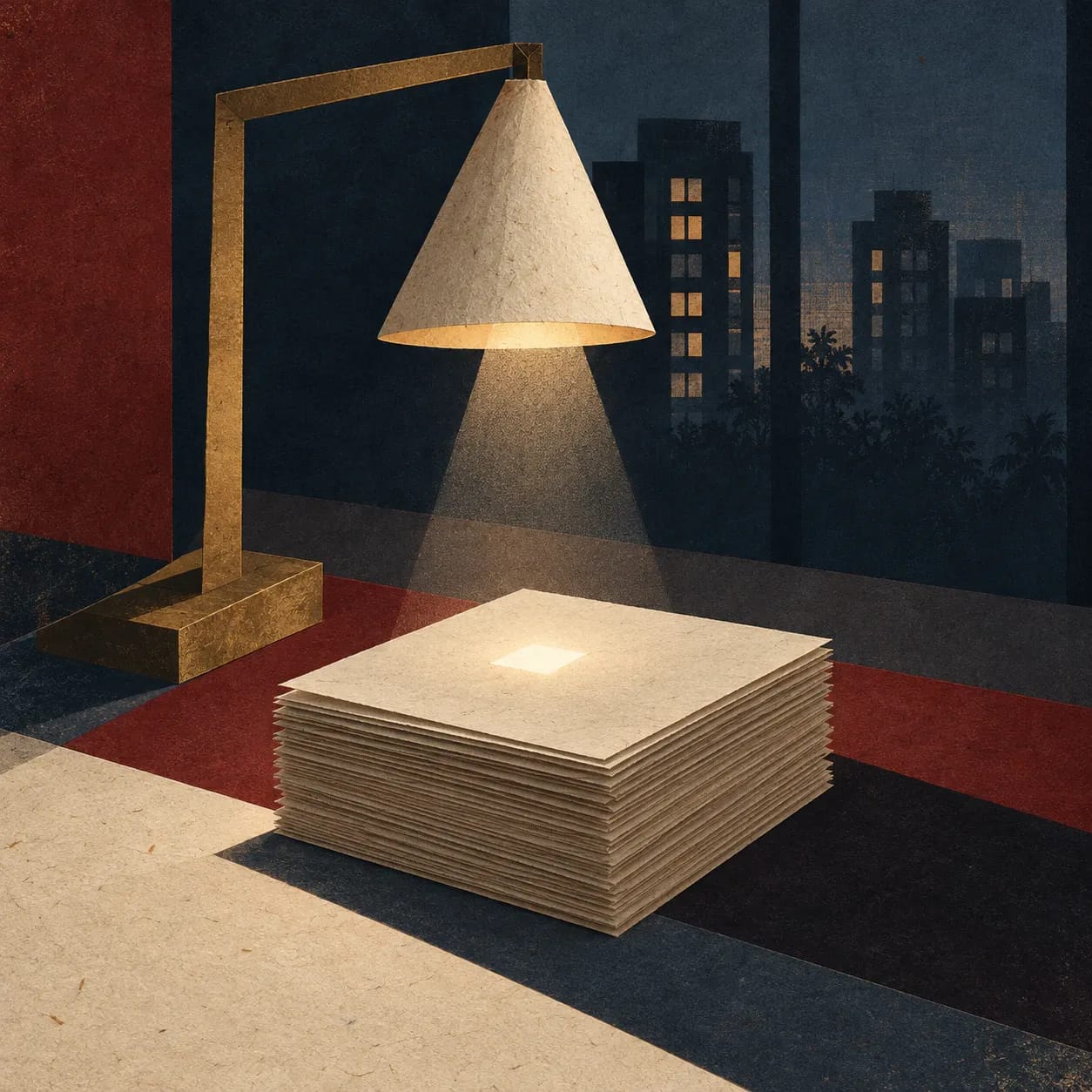
Kamal Uddin spent thirty-four years at a bank, the last eight as its managing director. Six months into retirement, he still wakes at six, shaves, and puts on a tie, then sits on the veranda in Gulshan with the newspaper until noon. His wife has noticed he no longer goes to the club. He has noticed the phone rings less.
An illustration drawn from common experience. The person is invented; the pattern is not.
Understanding retirement and identity
Retirement removes more than a job. It takes away routine, status, daily company and the sense of being needed, especially for people whose work was their identity. Many people find a new rhythm within months. For some, the loss turns into lasting low mood, irritability, drinking, or withdrawal. Depression in later life is common and often missed, because people put it down to age.
How common it is
There is no figure for retirement itself. The nearest is WHO’s estimate that in 2023 about 15% (14.75%) of adults aged 70 and over were living with a mental disorder, most commonly anxiety or depression.
Signs worth noticing
- Days without structure or purpose
- Withdrawing from friends, clubs or family events
- Low mood, irritability, or drinking more than before
- Poor sleep, or sleeping much of the day
How care helps
A consultation checks for depression and for physical problems that can look like it. Therapy helps people grieve what has ended and build what comes next: purpose, routine, connection, and the skills that are not tied to a title. Treating depression, where present, makes that rebuilding possible.
What getting better can look like
Kamal Uddin might find Monday mornings with a reason to put on the tie: mentoring young bankers, a board seat at a school, a walk with an old colleague before the heat.
Common questions about retirement and identity
Why do I feel depressed after retirement?
Retirement removes more than a job: it takes away routine, status, daily company and the sense of being needed. For people whose work was their identity, that loss can turn into low mood, irritability, drinking or withdrawal. It is worth checking for depression, which is common in later life and often missed.
How long does it take to adjust to retirement?
There is no fixed time, and many people find a new rhythm within months. If low mood, poor sleep or withdrawal from friends carry on well beyond that, it may be more than adjustment. A doctor can check for depression and for physical problems that can look like it.
When to see a psychiatrist
If retirement has brought more emptiness than freedom, it is worth talking about, at any age.
Care here is personal: built around your history, your health and what you want to change, and reviewed with you as it goes.
If you or someone else is in immediate danger, call 999 or go to the nearest hospital emergency department.
If some of this sounds familiar, a first conversation is a good place to start. You do not need the right words, or to be certain.
Dr. Tajreen is consulting in Uttar Badda now, until 8:00 pm. Call +880 1847-331010Every address and its hours
Sources
- World Health Organization, “Mental health of older adults” fact sheet, July 2026
You do not need to have everything figured out before you begin.