Understanding yourself

What is said, and what is underneath.

Studies of the sentences people offer long before they can name what is happening. Starting points for reading, never a diagnosis.

Paper artwork: a wooden hairbrush and a ring on a folded cloth in a bowl

N° 121

Hair pulling and skin picking

“I pull my hair when I study. Now there’s a patch.”

Pulling hair or picking skin that you cannot stop, often without noticing. Common, rarely talked about, and treatable with habit reversal.

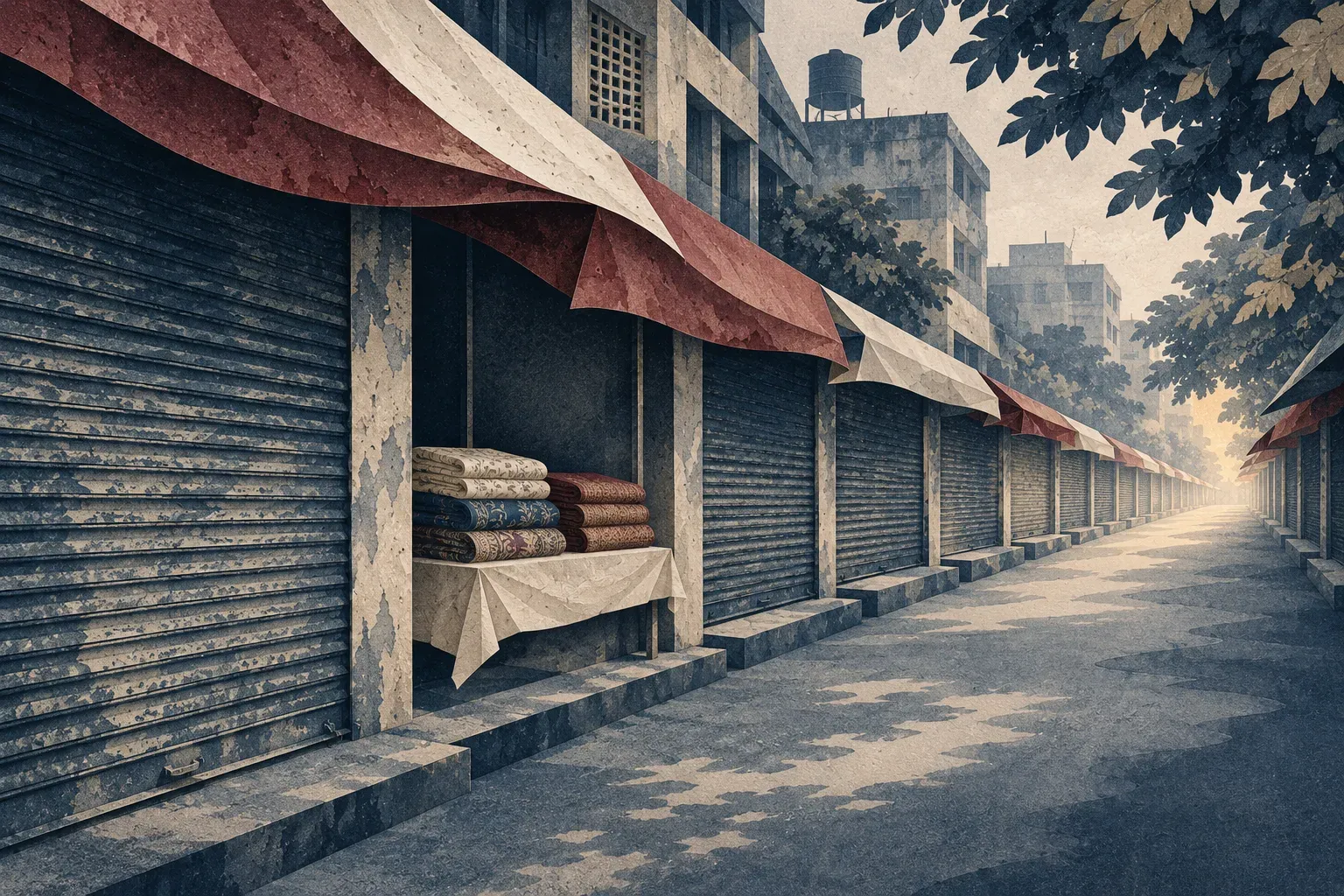
Paper artwork: an empty market lane in early morning with shuttered stalls

N° 122

Agoraphobia

“I haven’t been to New Market since the crowd.”

Fear of crowds, markets or buses in case panic strikes and escape is hard. It quietly shrinks a life, and step by step it can be reversed.

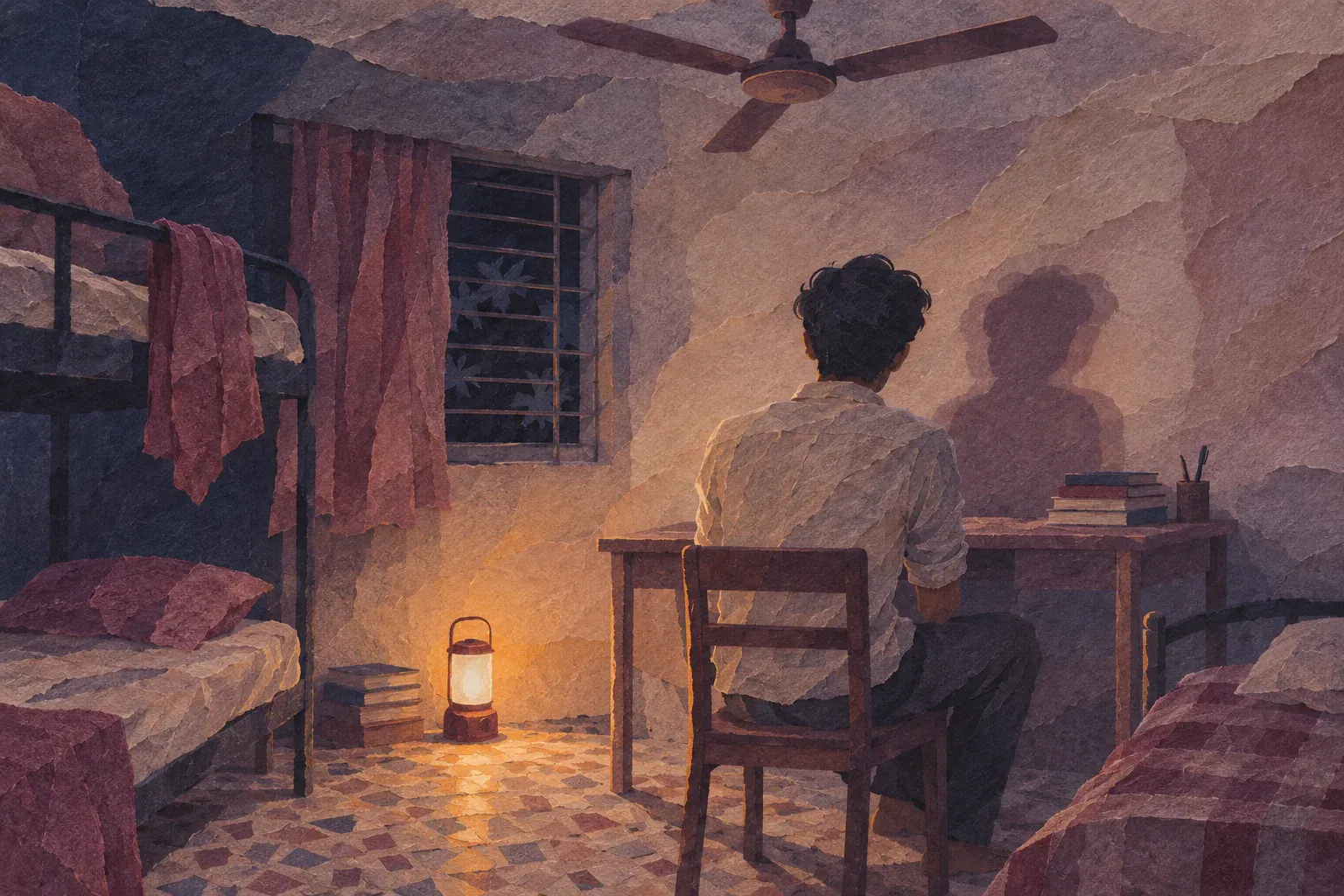
Paper artwork: A Farmgate hostel room during load-shedding, with a shadow falling slightly out of alignment

N° 123

Depersonalisation and derealisation

“It’s like watching my life through glass.”

Feeling unreal, or that the world is flat and far away, as if in a film. Frightening and often misunderstood, but not a sign of losing your mind.

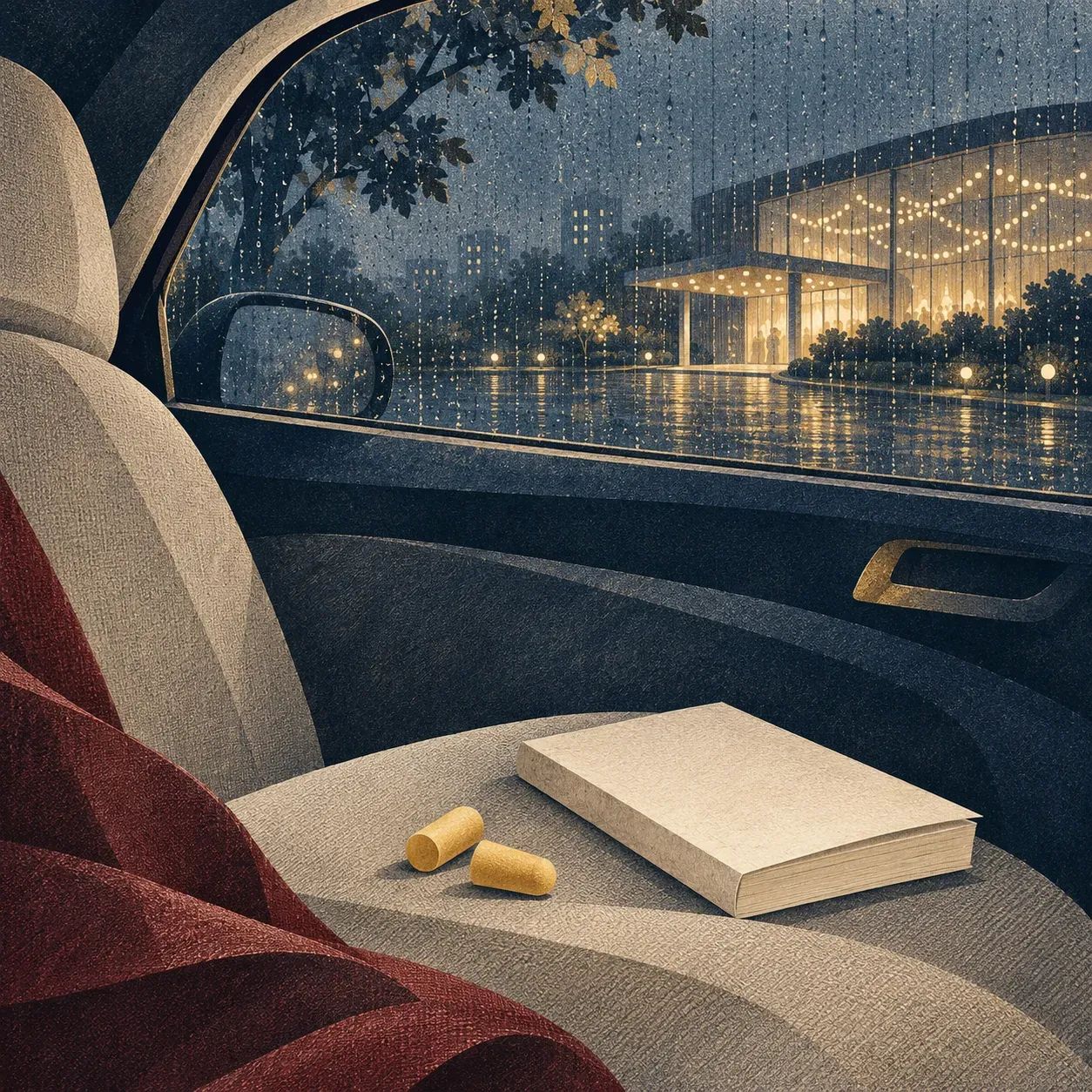
Paper artwork: earplugs and a book on a car seat, lights blurred outside the rainy window at night

N° 124

Autism diagnosed in adulthood

“I always felt there was a rule everyone else knew.”

Some autistic people are not diagnosed until adulthood, after years of feeling out of step. A diagnosis can bring understanding and better support.

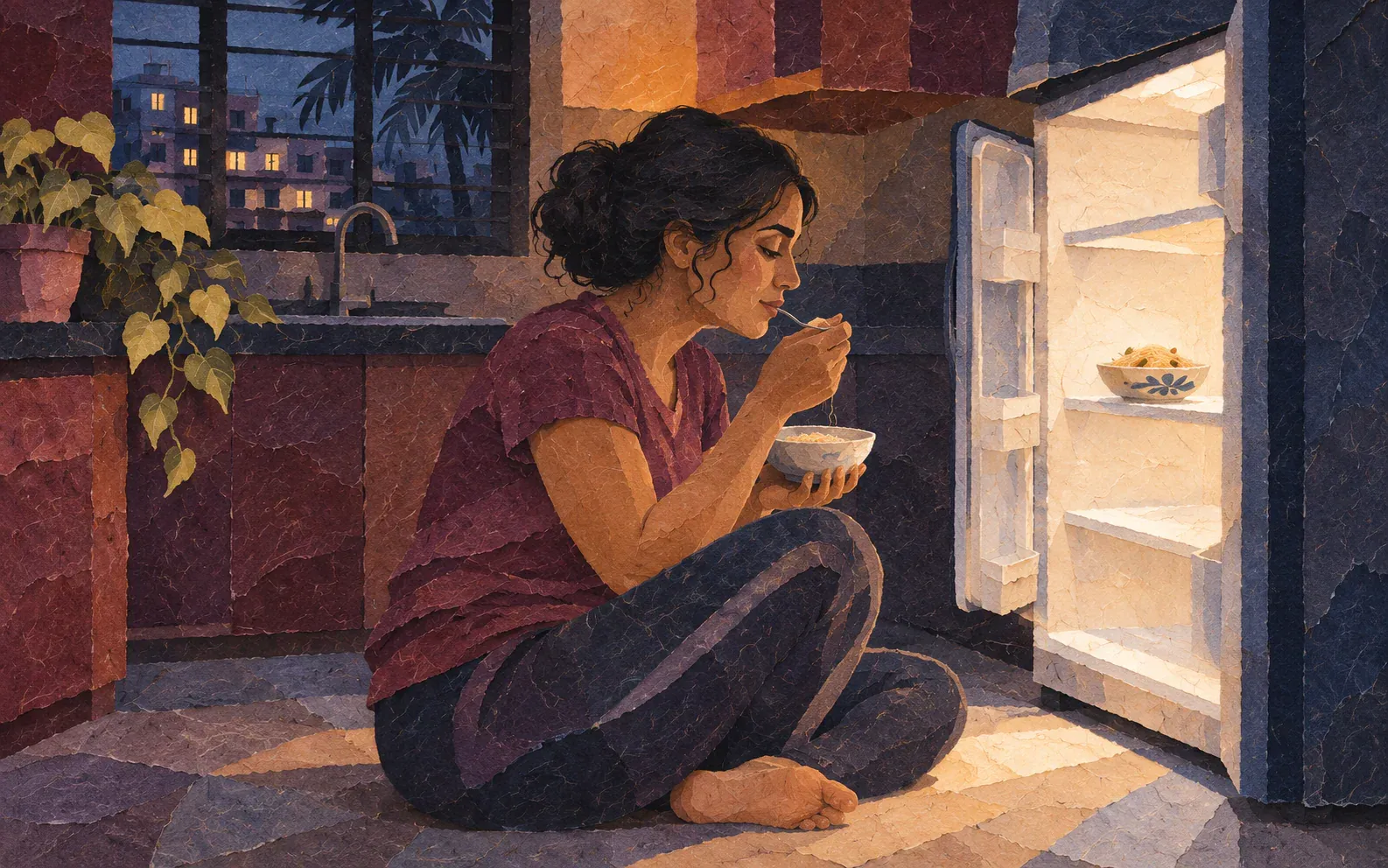
Paper artwork: A quiet Mohammadpur kitchen at night, refrigerator light falling on one small dish of shemai

N° 125

Binge eating disorder

“I eat standing at the fridge after everyone’s asleep.”

Repeated episodes of eating large amounts with a loss of control, then shame. More common than many think, and treatable with focused therapy.

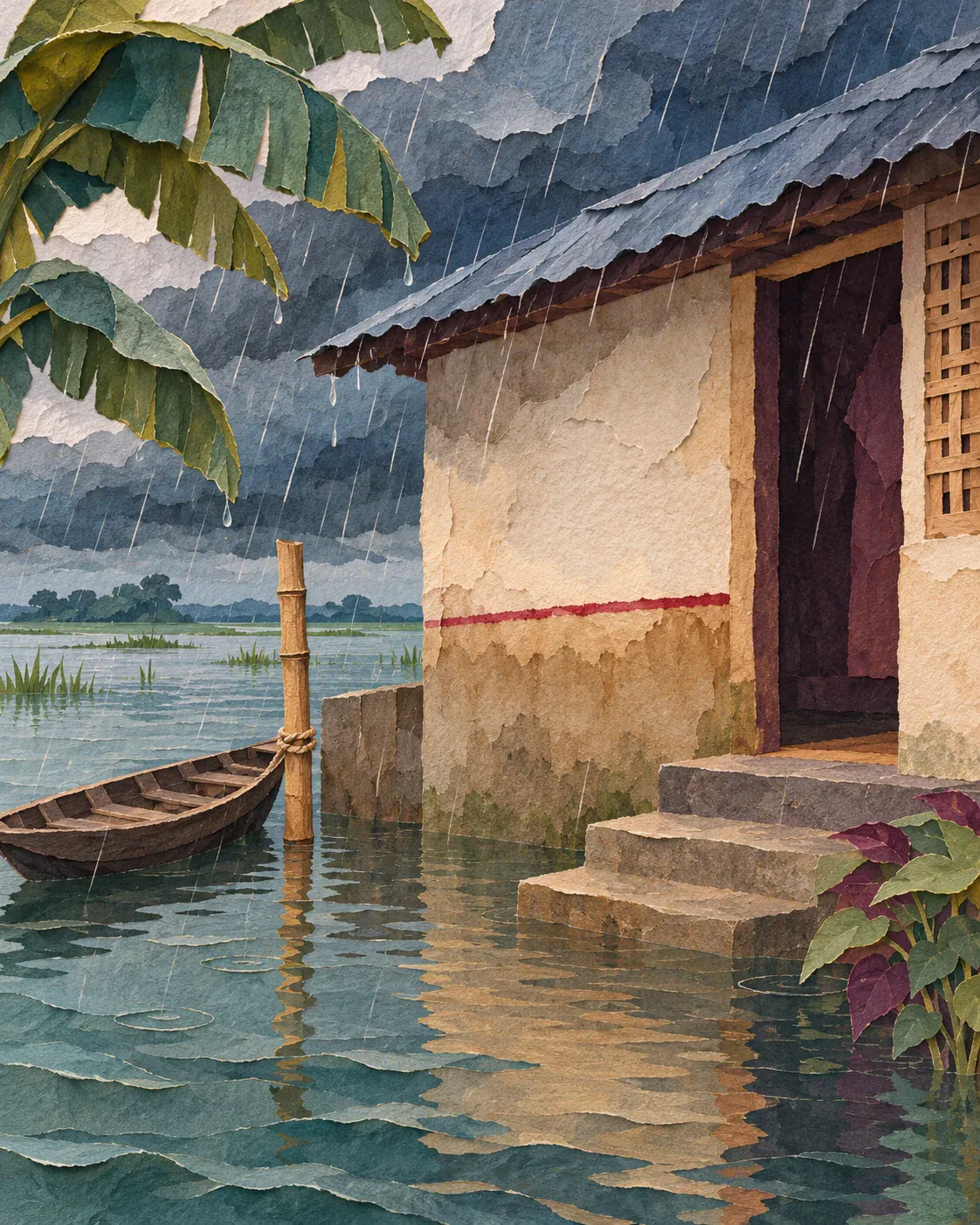
Paper artwork: A Sunamganj haor courtyard in monsoon, flood mark on a house wall and a wooden boat beside the rising water

N° 126

Climate anxiety and floods

“Every monsoon, the water comes closer to Nanu’s house.”

Worry about floods and a warming world is a sane response to a real threat. When it starts to take over sleep and study, support can help.

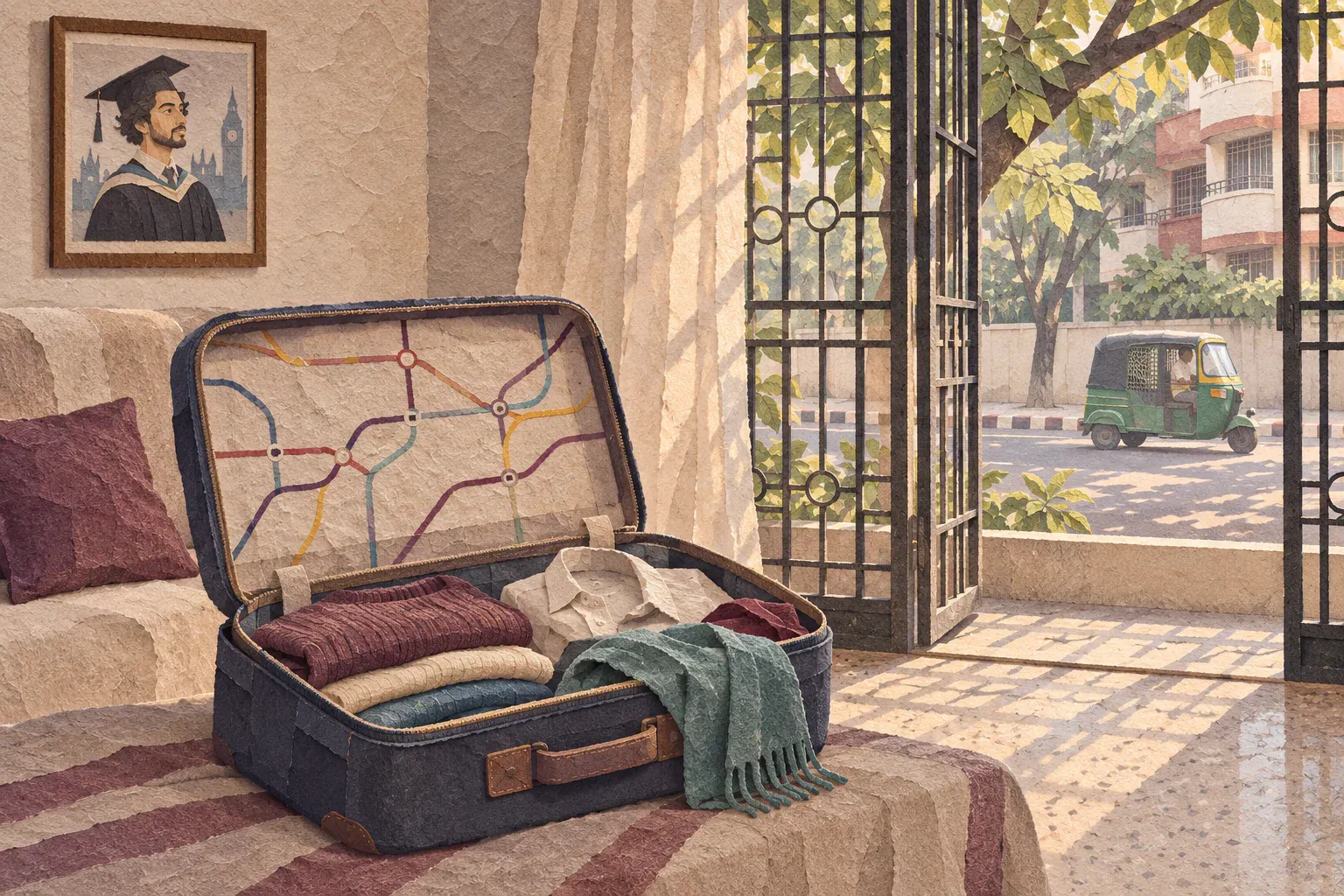
Paper artwork: An open suitcase and graduation portrait inside a Dhanmondi home, with a green CNG passing outside

N° 127

Coming home: reverse culture shock

“I came home from London. Now I belong nowhere.”

Coming home after years abroad can be harder than leaving. Feeling out of place is common; when it turns into lasting low mood, help is there.