
N° 73
Psychiatric medicines: myths and facts
“Will I get addicted? Will it change who I am?”
Honest answers about psychiatric medication: what it does, what it does not, and how decisions are made together.
Read
 Dr. Tanjima Tajreen
Understanding yourself
Studies of the sentences people offer long before they can name what is happening. Starting points for reading, never a diagnosis.
127 studies · Page 4 of 6
N° 73
“Will I get addicted? Will it change who I am?”
Honest answers about psychiatric medication: what it does, what it does not, and how decisions are made together.
Read
N° 74
“What if someone sees me at the clinic?”
Seeing a psychiatrist is private. Here is what confidentiality means, and how the practice protects it.
Read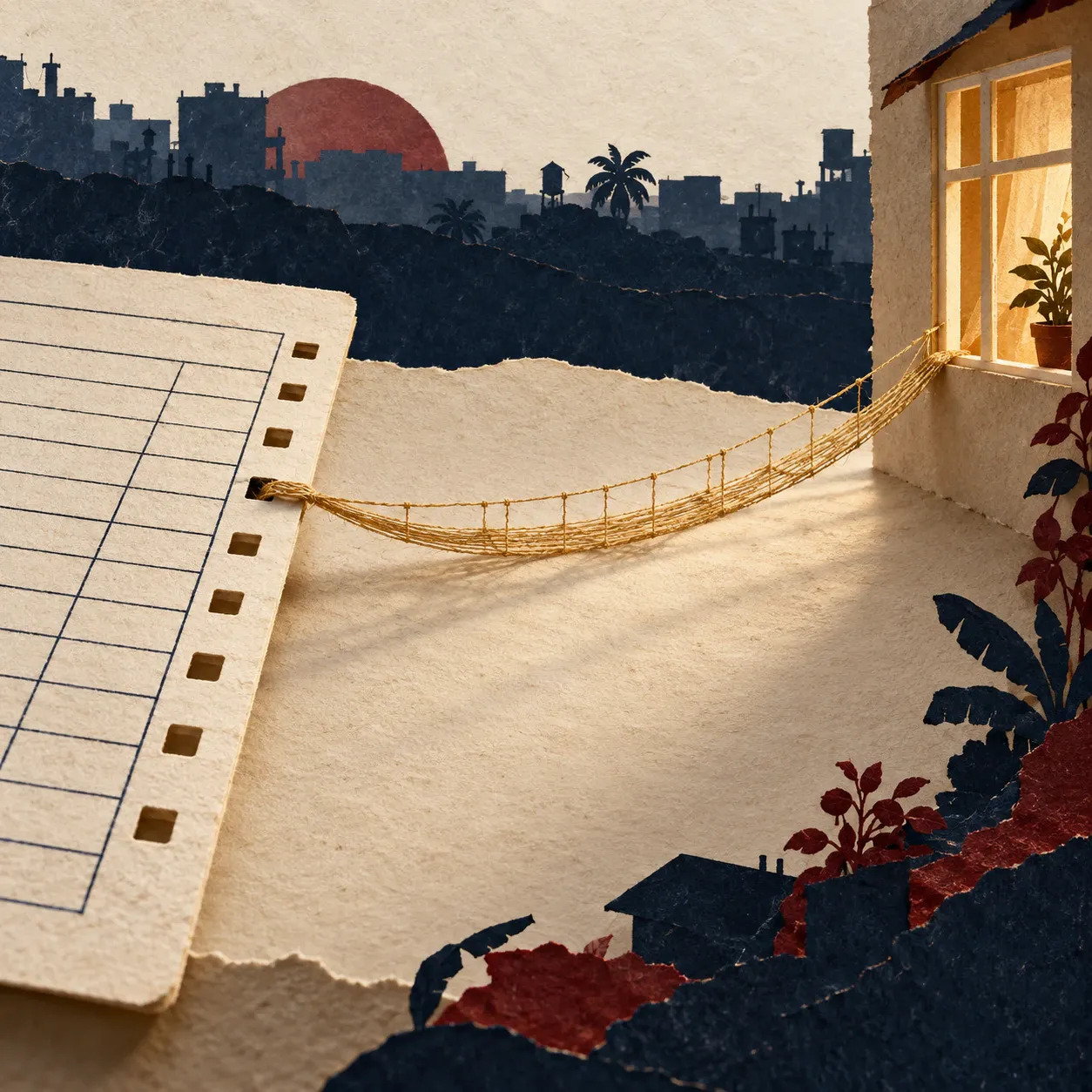
N° 75
“I can see he’s struggling. He refuses to see anyone.”
How to talk to someone you love about their mental health, and what to do when they say no.
Read
N° 76
“If I don’t get into medical, my life is over.”
SSC, HSC, O levels, admission tests: the pressure on Bangladeshi students is immense. Stress is normal; despair is not, and it needs help.
Read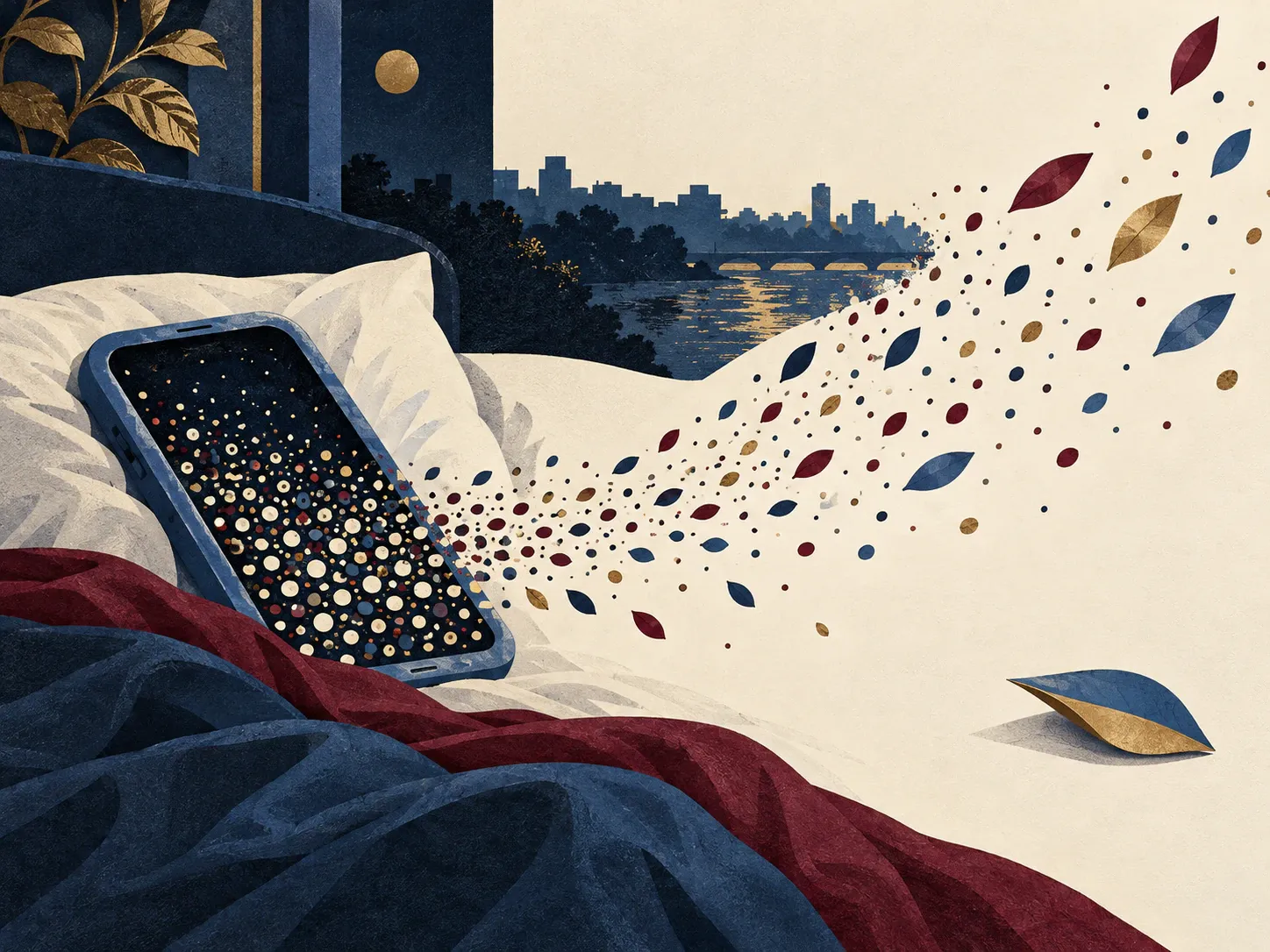
N° 77
“I’m on my phone till 3am. It’s giving burnout.”
Problematic social media use is rising among young people aged 11 to 15 in Europe, central Asia and Canada. Sleep, mood and self-worth can be won back.
Read
N° 78
“They made a group chat about me. Everyone’s in it.”
Bullying, at school or online, harms mental health, sometimes for years. Children deserve to be believed and protected.
Read
N° 79
“It’s back. I know its footsteps now.”
Depression that returns after months of feeling well. Knowing the early signs, and planning for them, can change what happens next.
Read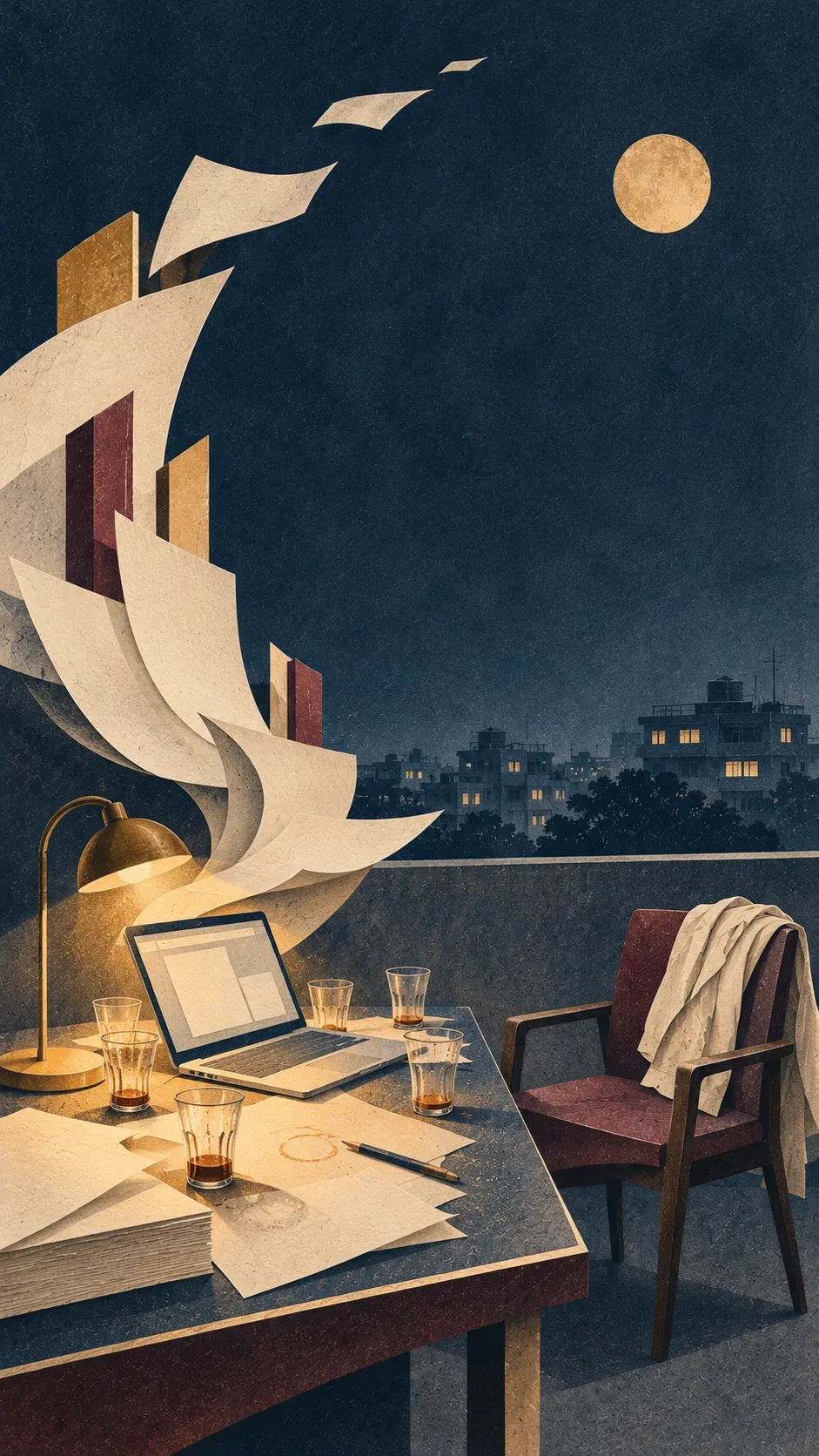
N° 80
“I’m not ill. I’m finally getting things done.”
Spells of high energy and little sleep that feel productive, then long, heavy depressions. Bipolar II is often missed, and it is treatable.
Read
N° 81
“My moods change faster than the Dhaka sky.”
Years of ups and downs that never quite reach mania or major depression, but wear down work and relationships. It has a name, and it can be helped.
Read
N° 82
“I’m not sad. I’m just angry all the time.”
In men, depression often shows as irritability, anger, overwork or drinking rather than tears. It is still depression, and it responds to care.
Read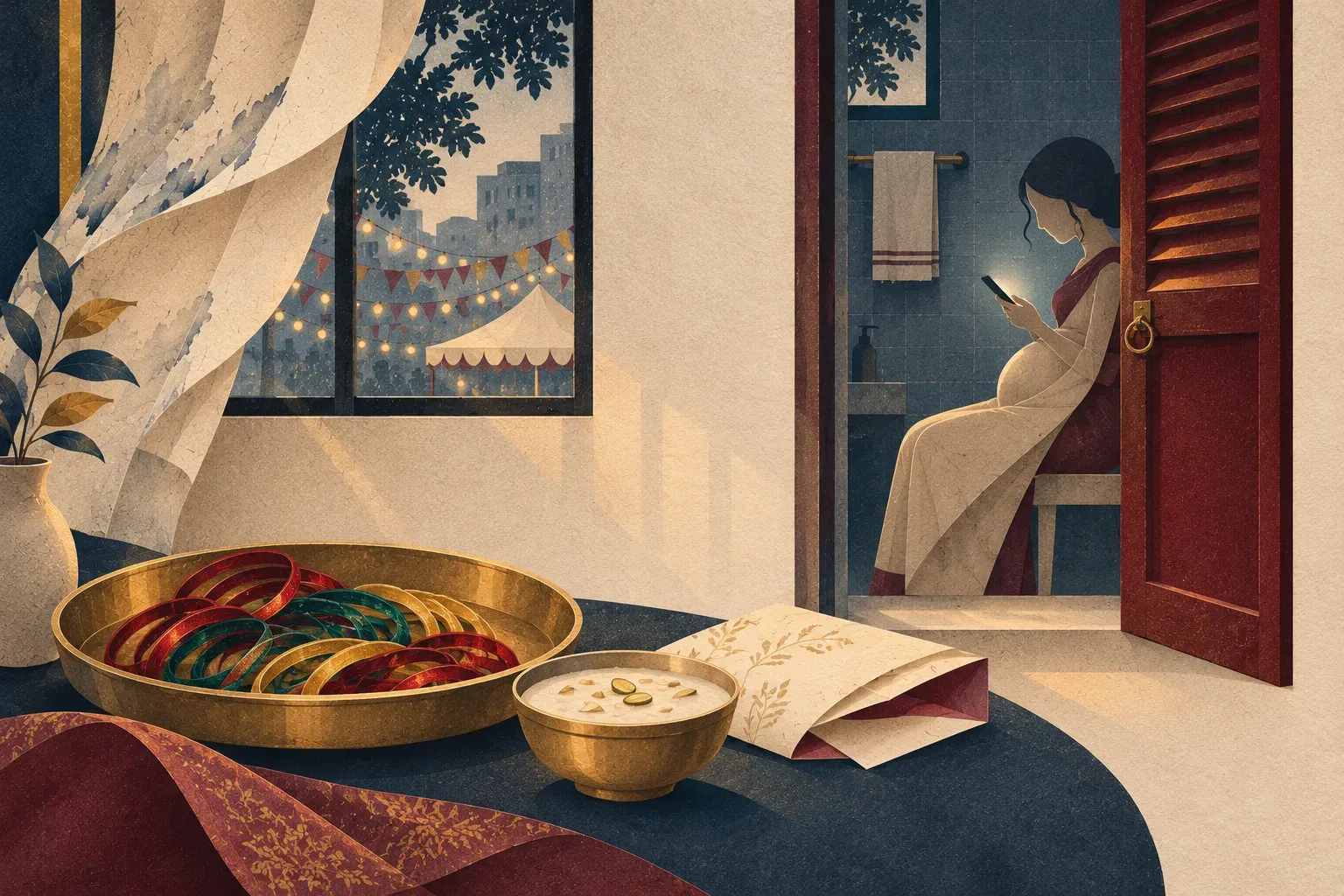
N° 83
“I’m seven months pregnant and I feel nothing.”
Depression during pregnancy is common in Bangladesh and often hidden behind the celebrations. It can be treated, with care for mother and baby.
Read
N° 84
“We hadn’t even told Ammu yet.”
Miscarriage is common and its grief is real, for both partners. Anxiety and post-traumatic stress can follow, and support helps.
Read
N° 85
“One week a month, I become someone else.”
Severe mood changes in the days before a period that lift once it starts. PMDD is more than PMS, and it responds to treatment.
Read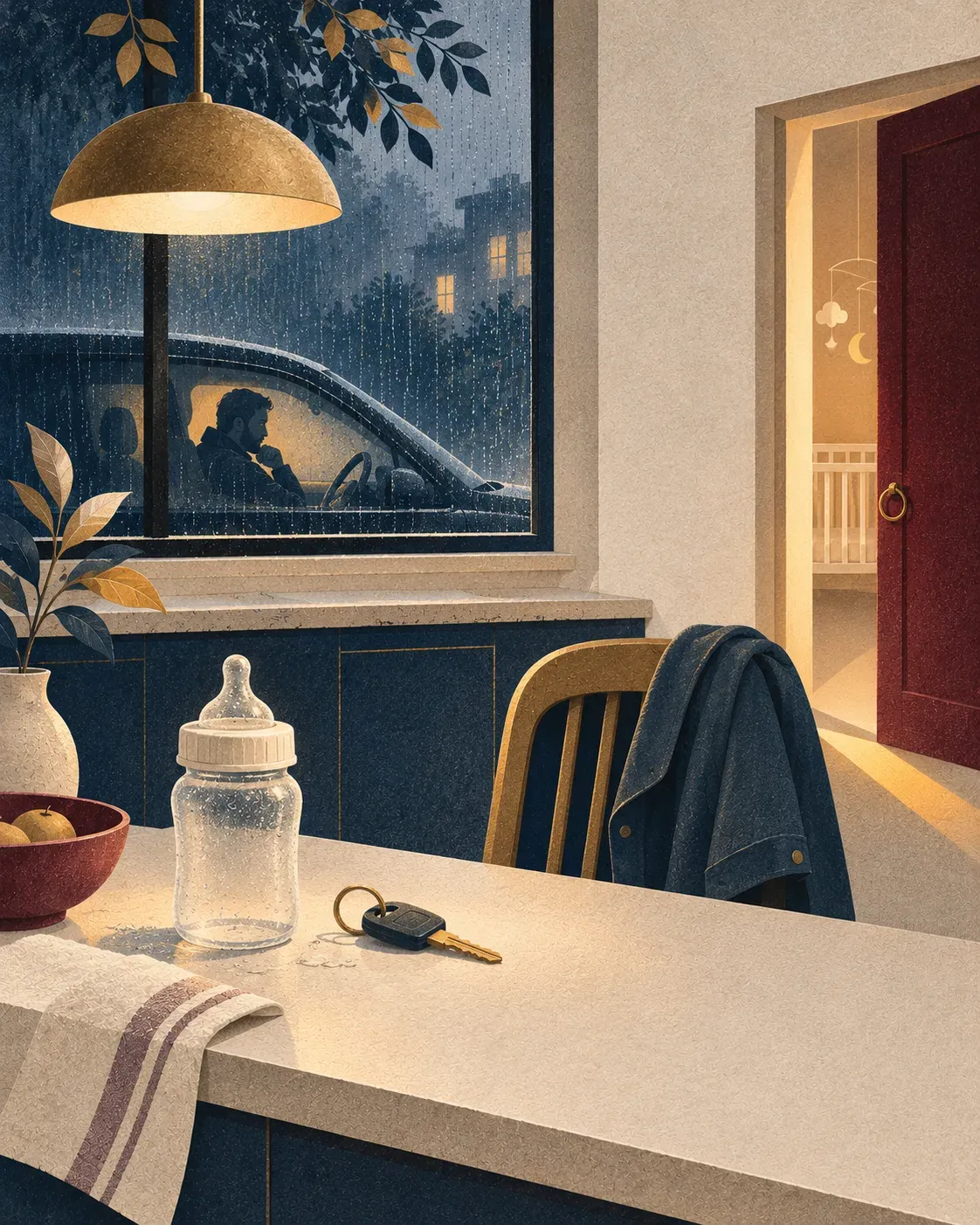
N° 86
“Everyone asks about the baby. No one asks me.”
About one in ten fathers becomes depressed around the birth of a child. It is often missed, and it often travels with the mother’s mood too.
Read
N° 87
“I sleep ten hours and wake up exhausted.”
Exhaustion that rest does not fix and effort makes worse, sometimes days later. ME/CFS is a recognised illness, and careful management helps.
Read
N° 88
“Everyone just says, take some vitamins.”
Being tired all the time has many possible causes, from anaemia to sleep to depression. A careful assessment finds the real one instead of guessing.
Read
N° 89
“Talak is one word. The family has a thousand more.”
The end of a marriage is a loss, a move and a public story at once. Most people recover; some need help with the weight of it.
Read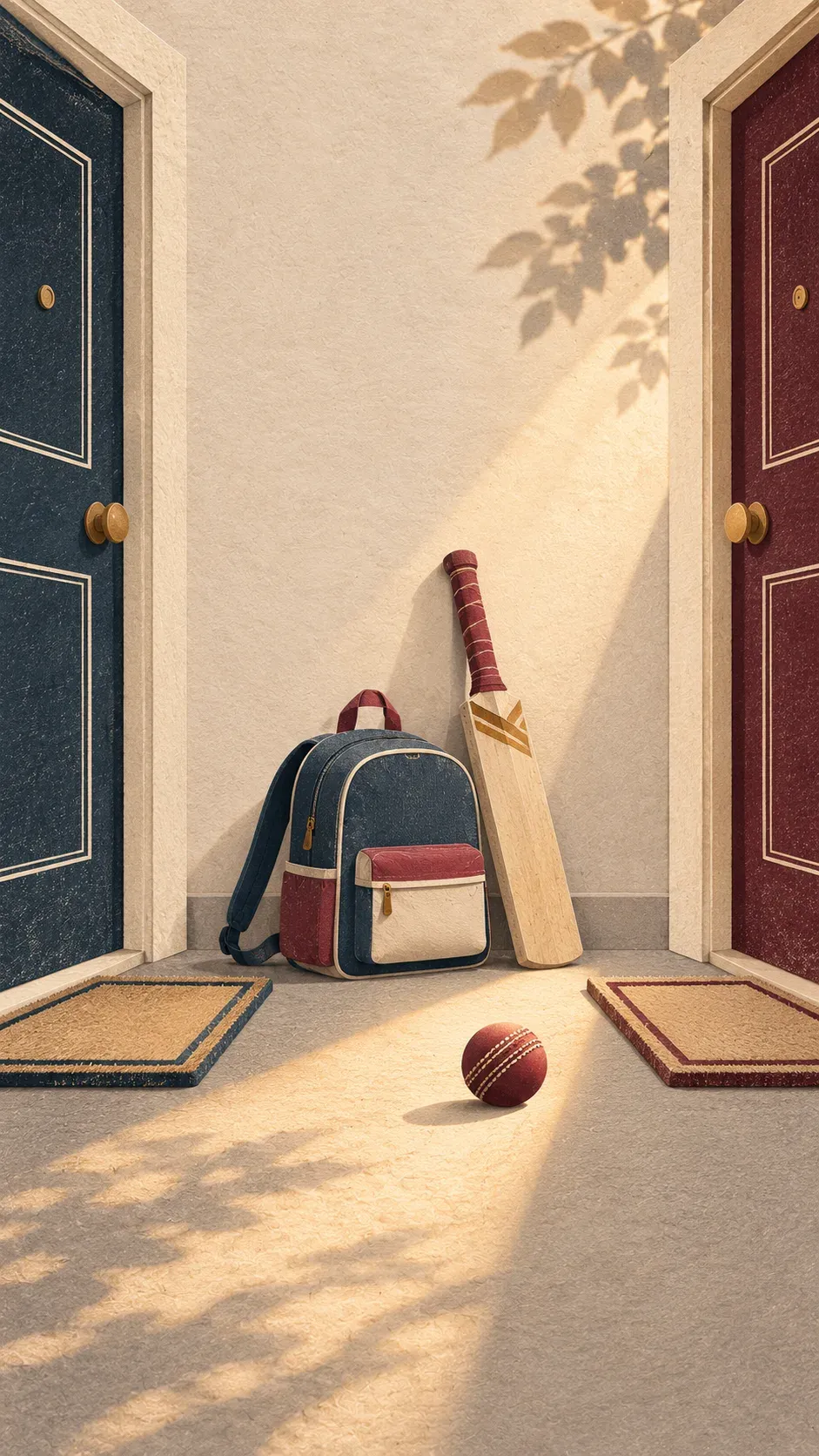
N° 90
“Weekdays at Ammu’s, Fridays at Abbu’s.”
Children whose parents separate are at somewhat higher risk of depression and anxiety. Keeping them out of the conflict between parents helps.
Read
N° 91
“I read the messages at two in the morning.”
Discovering an affair can bring shock, sleeplessness and depression. Couples therapy improves relationship satisfaction for many couples.
Read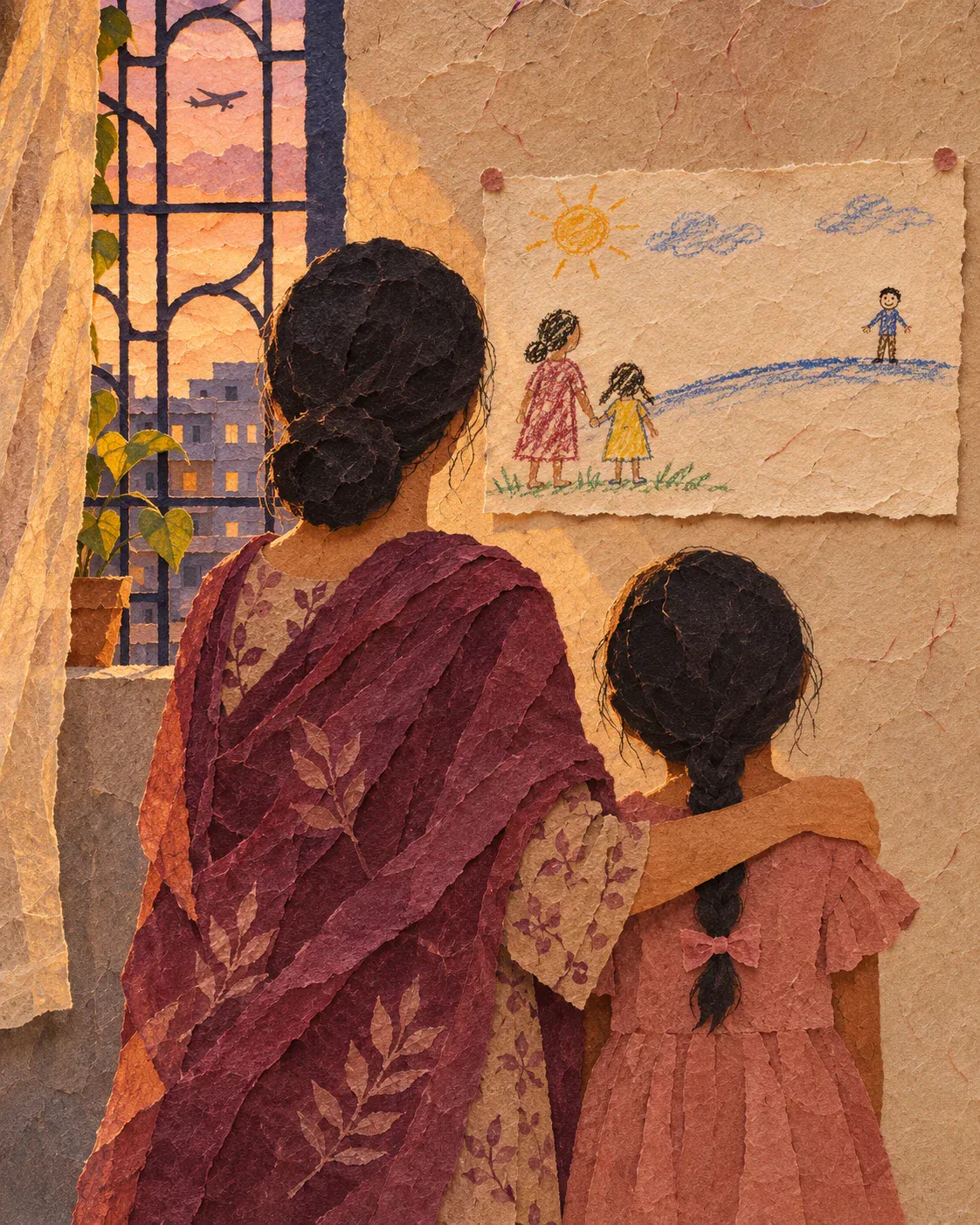
N° 92
“He calls from Riyadh every night. We have nothing left to say.”
When a husband works abroad, the wife at home carries the household, the in-laws and the loneliness. Her mental health deserves attention too.
Read
N° 93
“We’d met four times before the wedding.”
The first year joins two people and two families. Arguments are normal; learning to repair them is a skill that can be taught.
Read
N° 94
“At every biye, someone asks: any good news?”
Infertility brings grief, pressure and questions at every family event. In Bangladeshi studies, more than half of women in treatment had depression symptoms.
Read
N° 95
“Every dawat, the same question about my biye.”
When every family gathering turns into a question about marriage, the pressure can become anxiety. You can protect your peace without cutting off family.
Read
N° 96
“Abba’s flat. Four siblings. Nobody speaks now.”
A parent’s death can split siblings over property and old wounds. The grief underneath often needs as much attention as the dispute.
ReadArrange a consultation
Message the Private Chamber on WhatsApp to ask about appointment availability. A short message is enough.
Open WhatsAppFor appointments only. Please don’t share medical details here. In an emergency, call 999.
Book an appointment
Appointments are made by telephone. Choose an address to see its hours and the number to call.
No referral needed. Every consultation is confidential. You are welcome to bring someone with you.
Next consulting hours tomorrow, 10:00 am to 1:00 pm
House #60, Road #8, Block #C, Niketon, Gulshan-1, Dhaka 1212
Thu, Fri, Sat 10:00 am to 1:00 pm · Sun, Tue, Thu, Fri 5:00 to 9:00 pm
Consulting now, until 8:00 pm
Cha-80/3, Shadhinota Sarani, Pronati Sarani Road, Uttar Badda, Dhaka-1212
Sat, Mon, Wed 5:00 to 8:00 pm · Call centre 10699
Next consulting hours Tuesday, 10:00 am to 1:00 pm
House 12, Road 25/30, Gulshan-1, Dhaka 1212
Tue 10:00 am to 1:00 pm
Booking for a family member? Call in the same way. It helps to know their age and roughly what has been happening.
WhatsApp is for appointments and general enquiries. Please don’t share medical details there. In an emergency, call 999.