
N° 01
Relationship difficulties
“We always have the same argument.”
Different people, different years, and somehow the same place again.
Read
 Dr. Tanjima Tajreen
Understanding yourself
Studies of the sentences people offer long before they can name what is happening. Starting points for reading, never a diagnosis.
28 studies in Relationships and family · Page 1 of 2 · Show every study
N° 01
“We always have the same argument.”
Different people, different years, and somehow the same place again.
Read
N° 02
“They barely talk to us any more.”
Some distance is part of growing up. Sometimes it is a young person carrying something alone.
Read
N° 03
“He says the neighbours are listening.”
For families, the first signs are frightening and confusing. Earlier treatment is linked to better outcomes.
Read
N° 04
“Everyone says I should be happy.”
Depression after childbirth is common in Bangladesh and treatable. It is not a failure of love.
Read
N° 05
“We don’t talk about that part.”
Sexual problems are common, often have medical causes, and are treated in confidence.
Read
N° 06
“We’ve tried everything with him.”
When a family is stuck in the same fights, help for the whole family, and for parents, is often part of the answer.
Read
N° 07
“We used to talk for hours.”
Before marriage, during it, or when it is under strain: counselling can help couples talk about what matters.
Read
N° 08
“I’m fine. Abba needs me more.”
Caring for an ill parent, partner or child is love in its hardest form. Carers need care too.
Read
N° 09
“We used to share fuchka at the lake every Friday.”
Heartbreak is real pain. Most people heal with time and friends; when it turns into depression or obsession, treatment helps.
Read
N° 10
“She is seeing someone. I know it. I have proof.”
A fixed false belief, such as a partner’s infidelity, held with total certainty despite all evidence. Treatment protects everyone.
Read
N° 11
“My brother is ill, and nobody tells us what to do.”
Families carry much of the care for serious mental illness. Family work can help the patient and the people who love them.
Read
N° 12
“Ammu doesn’t know me some days. I still have to be there.”
Dementia care falls mostly on families. Support for carers can protect their health and improve care at home.
Read
N° 13
“We’ve been married eight months. We still can’t.”
An involuntary tightening that makes intercourse painful or impossible. Common, rarely discussed, and treatable.
Read
N° 14
“In my shashuri’s house, I can never do anything right.”
Joint family tension is part of many marriages in Bangladesh. When it wears down mood, sleep and the marriage, it deserves care.
Read
N° 15
“I can see he’s struggling. He refuses to see anyone.”
How to talk to someone you love about their mental health, and what to do when they say no.
Read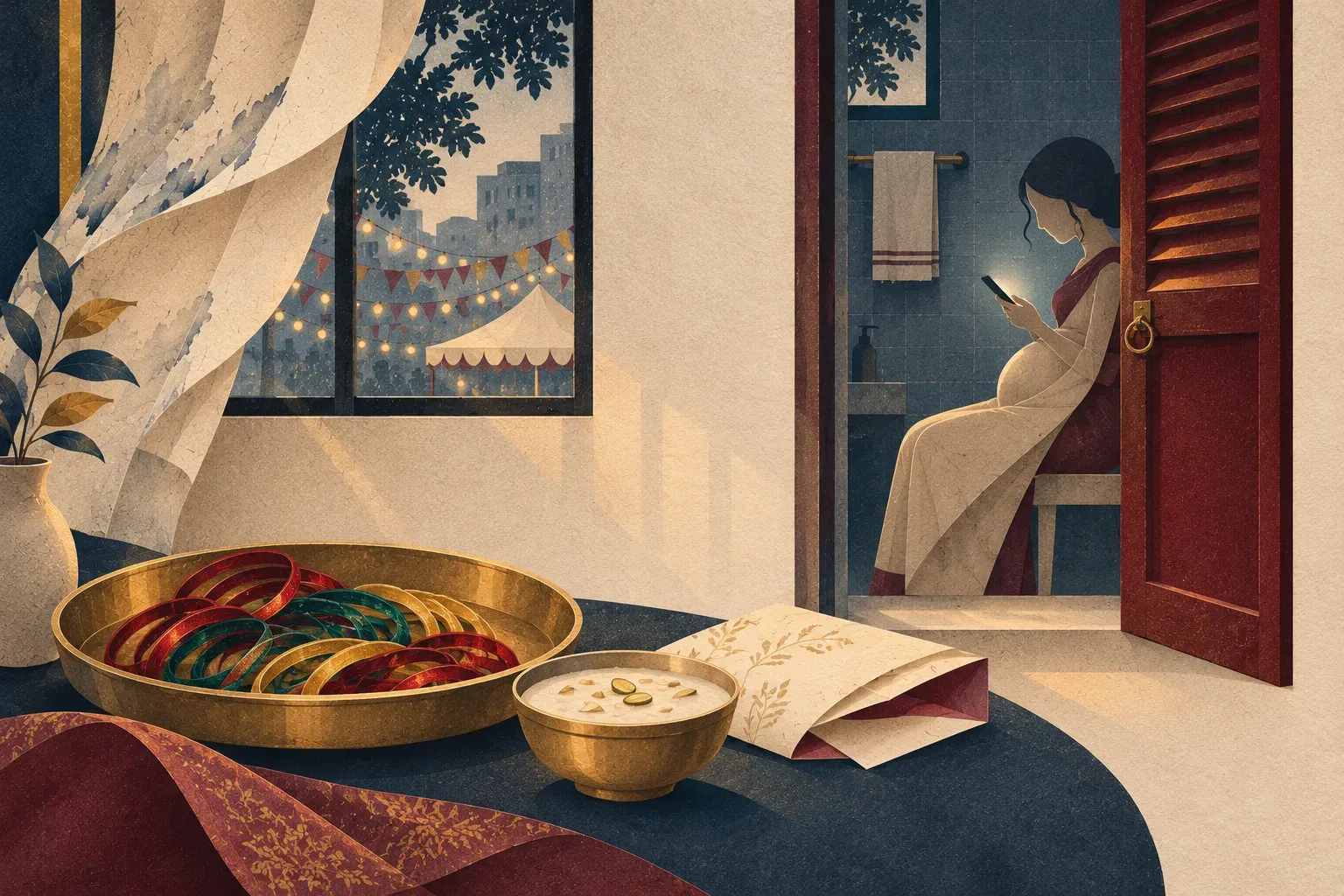
N° 16
“I’m seven months pregnant and I feel nothing.”
Depression during pregnancy is common in Bangladesh and often hidden behind the celebrations. It can be treated, with care for mother and baby.
Read
N° 17
“We hadn’t even told Ammu yet.”
Miscarriage is common and its grief is real, for both partners. Anxiety and post-traumatic stress can follow, and support helps.
Read
N° 18
“Everyone asks about the baby. No one asks me.”
About one in ten fathers becomes depressed around the birth of a child. It is often missed, and it often travels with the mother’s mood too.
Read
N° 19
“Talak is one word. The family has a thousand more.”
The end of a marriage is a loss, a move and a public story at once. Most people recover; some need help with the weight of it.
Read
N° 20
“Weekdays at Ammu’s, Fridays at Abbu’s.”
Children whose parents separate are at somewhat higher risk of depression and anxiety. Keeping them out of the conflict between parents helps.
Read
N° 21
“I read the messages at two in the morning.”
Discovering an affair can bring shock, sleeplessness and depression. Couples therapy improves relationship satisfaction for many couples.
Read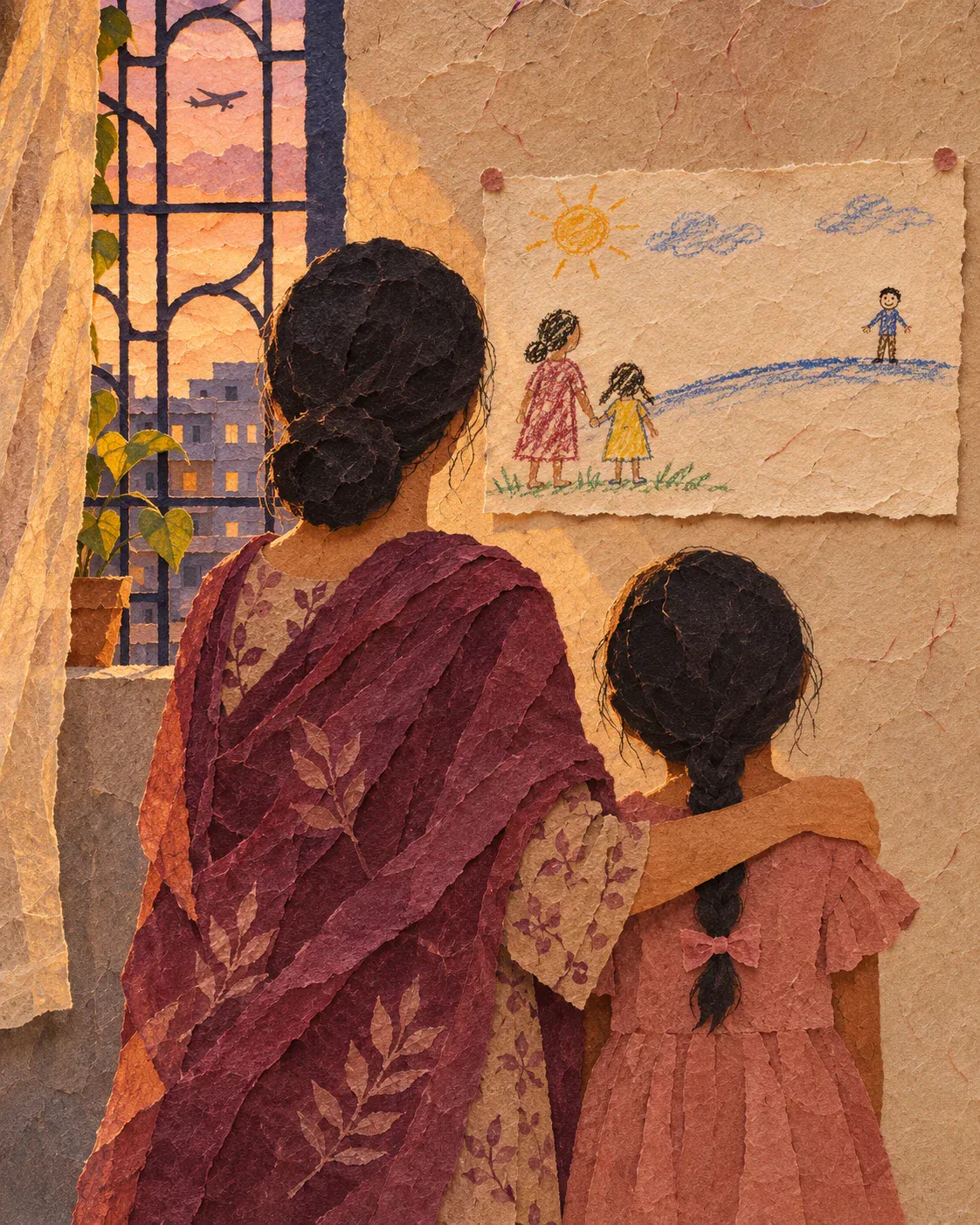
N° 22
“He calls from Riyadh every night. We have nothing left to say.”
When a husband works abroad, the wife at home carries the household, the in-laws and the loneliness. Her mental health deserves attention too.
Read
N° 23
“We’d met four times before the wedding.”
The first year joins two people and two families. Arguments are normal; learning to repair them is a skill that can be taught.
Read
N° 24
“At every biye, someone asks: any good news?”
Infertility brings grief, pressure and questions at every family event. In Bangladeshi studies, more than half of women in treatment had depression symptoms.
ReadArrange a consultation
Message the Private Chamber on WhatsApp to ask about appointment availability. A short message is enough.
Open WhatsAppFor appointments only. Please don’t share medical details here. In an emergency, call 999.
Book an appointment
Appointments are made by telephone. Choose an address to see its hours and the number to call.
No referral needed. Every consultation is confidential. You are welcome to bring someone with you.
Next consulting hours tomorrow, 10:00 am to 1:00 pm
House #60, Road #8, Block #C, Niketon, Gulshan-1, Dhaka 1212
Thu, Fri, Sat 10:00 am to 1:00 pm · Sun, Tue, Thu, Fri 5:00 to 9:00 pm
Consulting now, until 8:00 pm
Cha-80/3, Shadhinota Sarani, Pronati Sarani Road, Uttar Badda, Dhaka-1212
Sat, Mon, Wed 5:00 to 8:00 pm · Call centre 10699
Next consulting hours Tuesday, 10:00 am to 1:00 pm
House 12, Road 25/30, Gulshan-1, Dhaka 1212
Tue 10:00 am to 1:00 pm
Booking for a family member? Call in the same way. It helps to know their age and roughly what has been happening.
WhatsApp is for appointments and general enquiries. Please don’t share medical details there. In an emergency, call 999.