
N° 01
Post-traumatic stress disorder
“I’m fine. I just don’t go that way any more.”
The event is over. The body has not been told.
Read
 Dr. Tanjima Tajreen
Understanding yourself
Studies of the sentences people offer long before they can name what is happening. Starting points for reading, never a diagnosis.
13 studies in Trauma and loss · Show every study
N° 01
“I’m fine. I just don’t go that way any more.”
The event is over. The body has not been told.
Read
N° 02
“Since that night, I can’t seem to land.”
Shock in the days after something terrible is a normal human response. Help in those days still matters.
Read
N° 03
“It happened years ago. It shouldn’t matter now.”
The past is over. What it taught the body about danger may not be. Trauma-focused therapy can help it learn again.
Read
N° 04
“My childhood was normal. Mostly.”
What happened early can echo in adult health, moods and relationships. Understanding it is the beginning of changing it.
Read
N° 05
“I still set out his cup.”
For most people grief softens with time. For some it stays stuck, and help is there.
Read
N° 06
“We used to share fuchka at the lake every Friday.”
Heartbreak is real pain. Most people heal with time and friends; when it turns into depression or obsession, treatment helps.
Read
N° 07
“They made a group chat about me. Everyone’s in it.”
Bullying, at school or online, harms mental health, sometimes for years. Children deserve to be believed and protected.
Read
N° 08
“We hadn’t even told Ammu yet.”
Miscarriage is common and its grief is real, for both partners. Anxiety and post-traumatic stress can follow, and support helps.
Read
N° 09
“Talak is one word. The family has a thousand more.”
The end of a marriage is a loss, a move and a public story at once. Most people recover; some need help with the weight of it.
Read
N° 10
“Abba’s flat. Four siblings. Nobody speaks now.”
A parent’s death can split siblings over property and old wounds. The grief underneath often needs as much attention as the dispute.
Read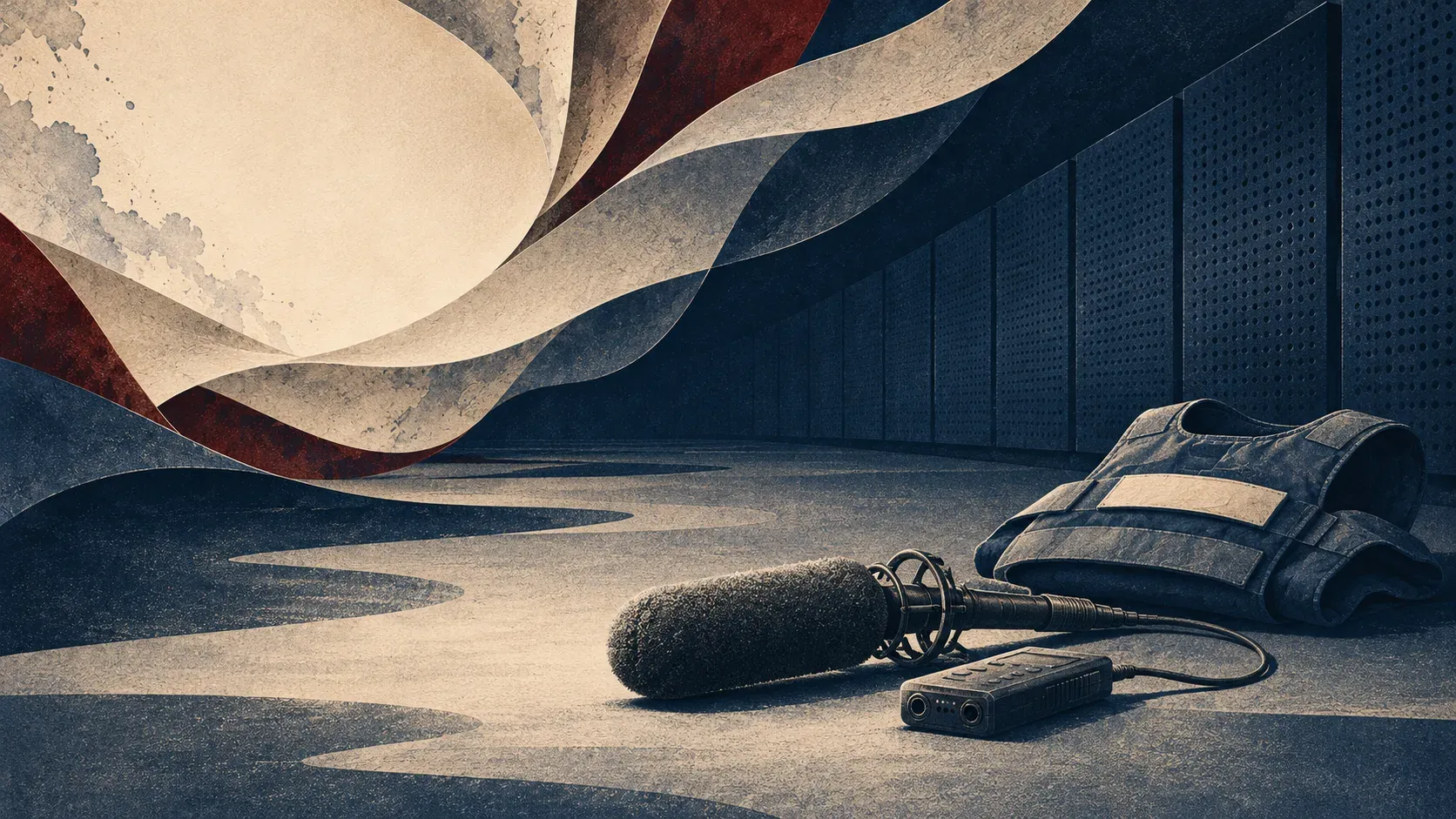
N° 11
“I look at the photos so the readers don’t have to.”
Journalists who sort images of violence and disaster every night can carry them home. The strain is real, and it can be treated.
Read
N° 12
“Every time I publish, my inbox fills with threats.”
Threats and abuse after every story can wear down even a seasoned reporter. Anxiety and trauma symptoms are common, and they are treatable.
Read
N° 13
“Every monsoon, the water comes closer to Nanu’s house.”
Worry about floods and a warming world is a sane response to a real threat. When it starts to take over sleep and study, support can help.
ReadArrange a consultation
Message the Private Chamber on WhatsApp to ask about appointment availability. A short message is enough.
Open WhatsAppFor appointments only. Please don’t share medical details here. In an emergency, call 999.
Book an appointment
Appointments are made by telephone. Choose an address to see its hours and the number to call.
No referral needed. Every consultation is confidential. You are welcome to bring someone with you.
Next consulting hours tomorrow, 10:00 am to 1:00 pm
House #60, Road #8, Block #C, Niketon, Gulshan-1, Dhaka 1212
Thu, Fri, Sat 10:00 am to 1:00 pm · Sun, Tue, Thu, Fri 5:00 to 9:00 pm
Consulting now, until 8:00 pm
Cha-80/3, Shadhinota Sarani, Pronati Sarani Road, Uttar Badda, Dhaka-1212
Sat, Mon, Wed 5:00 to 8:00 pm · Call centre 10699
Next consulting hours Tuesday, 10:00 am to 1:00 pm
House 12, Road 25/30, Gulshan-1, Dhaka 1212
Tue 10:00 am to 1:00 pm
Booking for a family member? Call in the same way. It helps to know their age and roughly what has been happening.
WhatsApp is for appointments and general enquiries. Please don’t share medical details there. In an emergency, call 999.